California Retail Employer Appellate Case: Winning Reversal of a No-Duty Ruling

A California retail employer appellate case does not always start with a trial win. Sometimes it starts with a loss that never should have happened, and a family that refuses to accept a judge's first answer as the final word. On the evening of July 4, 2006, fireworks ignited in a national retailer's parking lot in Alhambra, California. The fire spread onto the adjoining property, where our client lived and ran his business, and by the time it was out the structure and everything inside it were destroyed. A trial court told him he had no case at all. The Homampour Law Firm did not accept that outcome and took the fight to the California Court of Appeal, Second Appellate District.

Reversed

Summary judgment reversed as to the retailer on appeal

1988

First year fire officials documented fireworks in that lot

60 days

California deadline to appeal a judgment

See our verdicts and settlements
California retail employer appellate case fire damage at a home beside a retail store parking lot
Fire department records showed fireworks in the same parking lot nearly every Fourth of July since 1988, the pattern of known danger that sat at the center of the appeal.

What Happened

On the evening of July 4, 2006, fireworks ignited in a retail store parking lot in Alhambra, California. The fire spread onto the adjoining property, where our client lived and ran his business, and destroyed the structure and everything inside it. This was not a freak, one-time event. Firefighters with the Alhambra Fire Department had observed fireworks being set off in that same parking lot on the Fourth of July almost every year going back to 1988. In the five years before this fire, fire department personnel had issued citations or seized illegal fireworks at that location nearly every year. The retailer's own employees admitted they had seen fireworks used in the lot in the years leading up to 2006, and admitted they routinely found spent firework debris there the morning after. The retailer leased the property from an intermediate lessee, which in turn leased it from the underlying landowning trust, and a store had operated on the site since 1983.

What the Trial Court Got Wrong

Our client sued the retailer, the intermediate lessee, and the trust for negligence, premises liability, ultrahazardous activity, and trespass. The trial court sided entirely with the defendants, granting summary judgment across the board and entering judgment against our client on every claim. For a family that had just lost a home and a business, that ruling meant the parties responsible for years of known, unaddressed danger in that parking lot would face no accountability at all. The Homampour Law Firm did not accept that outcome and took the case to the California Court of Appeal, Second Appellate District.

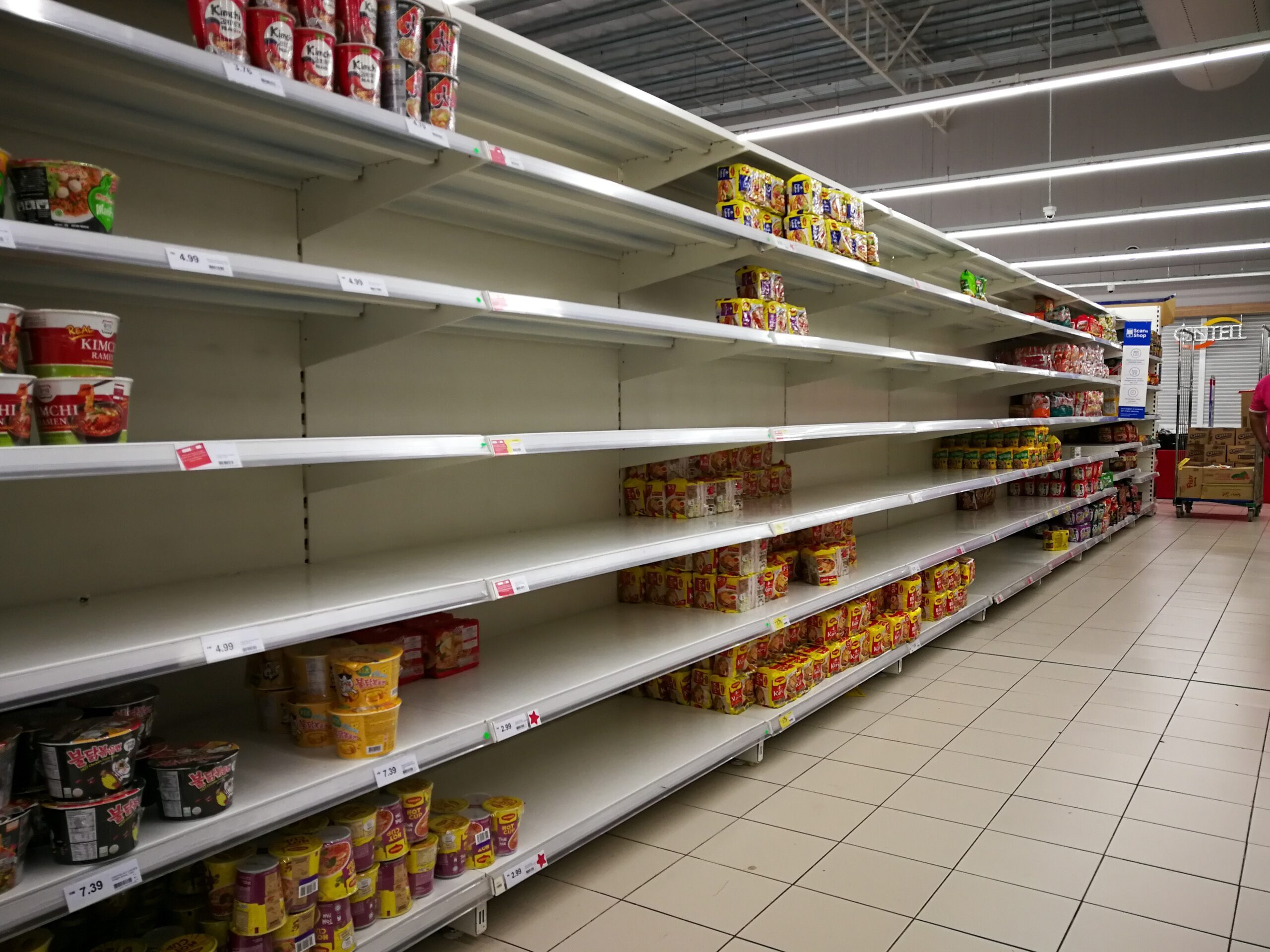
Building the California Retail Employer Appellate Case Around What the Retailer Knew

The heart of the appeal was simple. Could a retailer that had watched the same danger recur on its property for years, and done nothing about it, really owe no duty of care to the neighbor whose home sat right next door?

Years of documented fireworks

The Alhambra Fire Department had documented fireworks in that parking lot nearly every Independence Day since 1988, with citations or seizures in most of the five years before the fire. That objective record made the danger predictable rather than surprising.

The retailer's own admissions

The retailer's employees admitted they had seen fireworks used in the lot for years and routinely found spent debris the morning after. A business cannot watch a hazard recur and then call the result unforeseeable after the fact.

The correct duty question

Under the California Supreme Court's guidance in Cabral v. Ralphs Grocery Co., the real question was whether a landowner owes a duty of ordinary care when it knows a dangerous activity recurs on its property on a specific, predictable date. Framed correctly, the answer was yes.

The retailer argued it had no duty to protect against what it called the unforeseeable use of illegal fireworks. The Court of Appeal rejected that framing.

The Court of Appeal's Ruling

In its May 2012 opinion, the Court of Appeal held that the trial court had gotten it wrong as to the retailer. The undisputed facts did not show that the retailer owed our client no duty of ordinary care. The court reversed the judgment in favor of the retailer on the negligence and premises liability claims, and vacated the costs award the retailer had obtained against our client at the trial level. The court was careful about what it was, and was not, deciding. It did not rule that the retailer had actually been negligent, or that it had breached its duty of care. It ruled only that the retailer could not escape the case entirely on a no-duty theory, because the facts showed a duty of ordinary care to a neighbor given years of known fireworks activity in the retailer's own parking lot. Whether that duty had been met was a question for a jury, not a question that could be decided before trial. The court reached a different result for the trust and the intermediate lessee, because the record did not show that either of them knew or had reason to know about the recurring fireworks activity in the retailer's leased space. Prior results do not guarantee a similar outcome. Every case depends on its own facts.

The Outcome, Claim by Claim

The reversal as to the retailer restored our client's right to have a jury decide whether the retailer's years of inaction caused the fire that destroyed his home and his business. The Homampour Law Firm handles personal injury and property damage cases, including appeals, on a contingency fee basis and advances the costs of litigation, so clients pay nothing unless there is a recovery.

Theory pleaded
Jury finding
Negligence and premises liability claims against the retailer
Reversed; case restored for trial
Costs award the retailer obtained at trial level
Vacated
Claims against the landowning trust and intermediate lessee
Affirmed; no evidence of their prior knowledge
Trespass claim against all defendants
Affirmed

How This Appeal Was Won, Topic by Topic

The breakdowns below cover the appellate strategy for reframing the duty question, the Evidence Code proof of prior knowledge, and the record preservation that made reversal possible.

Referring a premises or property damage appeal?

We take on national retailers and other large institutional defendants at trial and on appeal, as counsel or co-counsel, and pay statutory referral fees.

Refer a case

Frequently Asked Questions

What happened in this California retail employer appellate case?

Fireworks ignited in a retail store's parking lot in Alhambra, California on July 4, 2006, and the fire spread to destroy the home and business on the neighboring property. Fire department records showed fireworks had been used in that same parking lot nearly every Fourth of July since 1988, and the retailer's own employees admitted they knew about it. The trial court granted summary judgment for all defendants, and our client appealed.

Did our client win the appeal?

Yes, in part. The California Court of Appeal, Second Appellate District, reversed the judgment in favor of the retailer on the negligence and premises liability claims, ruling that the retailer could not show it owed our client no duty of care given years of known fireworks activity on its property. The court affirmed the judgment for the trust and the intermediate lessee, because there was no evidence they knew about the recurring fireworks use.

Can a business be responsible for a fire that started on its property from someone else's fireworks?

Under California law, a landowner or business that knows a dangerous activity keeps happening on its property, especially on a predictable date, can owe a duty of ordinary care to take reasonable steps to prevent harm to neighboring property. Whether the business failed to meet that duty, and whether that failure caused the harm, are usually questions for a jury once the no-duty argument fails.

Skip to content