
Underride Vehicle Defect Trucking California Cases

Underride vehicle defect trucking California litigation addresses one of the most catastrophic failure modes in commercial vehicle crashes: a passenger vehicle sliding beneath the body of a trailer, often shearing off the passenger compartment above the beltline. When the trailer's guard system fails to prevent this intrusion, or when no adequate guard exists at all, a survivable collision can become fatal, and the trailer manufacturer's design decisions become the center of the case.

571.223

Federal performance standard for rear impact guards

None

Federal standard currently mandating side underride guards on most trailers

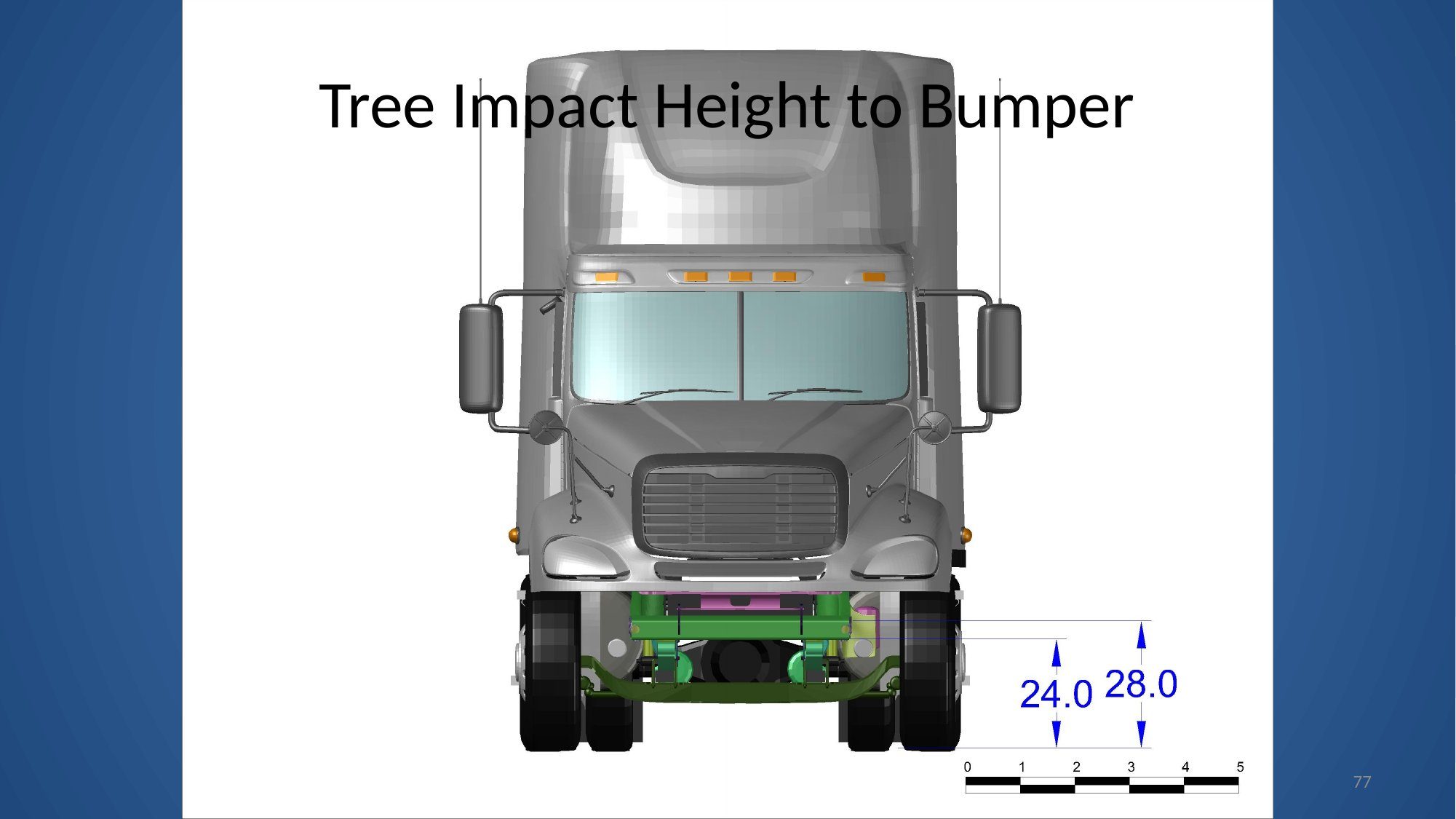
Underride vehicle defect trucking California impact height versus guard clearance geometry diagram

What Underride Means in an Underride Vehicle Defect Trucking California Case

Underride occurs when a passenger vehicle collides with a large truck or trailer and slides underneath it because the truck's ground clearance is high enough that the car's bumper, crumple zones, and airbags never engage as designed. Instead, the passenger compartment strikes the trailer structure directly. Rear underride happens when a vehicle strikes the back of a trailer, and side underride happens when a vehicle strikes the trailer's side, typically while the trailer is crossing or turning across a roadway. In both patterns, the vehicle's normal crash safety systems are bypassed, which is what makes underride so lethal at speeds that would otherwise be survivable.

The Federal Guard Standards and the Missing Side Rule

Federal regulation addresses rear underride through two related standards. 49 CFR 571.223 sets strength and energy-absorption requirements for rear impact guards under standardized test conditions, and 49 CFR 571.224 requires trailers to be equipped with a guard meeting that performance standard, with specific height, width, and ground clearance requirements. These standards were strengthened over time after research showed earlier guards frequently failed in real-world crashes. Even under the current standard, guards can still fail in offset collisions where the striking vehicle does not hit the guard squarely. There is no federal performance standard currently requiring side underride protection on most trailers, so the availability of a reasonable alternative design a manufacturer chose not to install is often the central issue in a side underride case.

The Product Liability Theory Against the Trailer Manufacturer

The Greenman crossover

An underride case against a trailer manufacturer typically proceeds under California strict product liability, tracing to Greenman v. Yuba Power Products, which held that a manufacturer is strictly liable for a defective product that causes injury when used in a reasonably foreseeable manner. The design defect theory focuses on whether the guard system, or the absence of a side guard, made the trailer unreasonably dangerous compared to a feasible alternative.

A feasible safer design

A design defect claim usually presents evidence that a stronger or better-positioned guard, or a side underride guard, was technologically feasible and reasonably priced relative to the trailer's cost, evaluated under California's consumer-expectation and risk-benefit tests from Barker v. Lull Engineering. National Academies research on offset and side impacts is frequently cited as evidence of a feasible alternative the industry understood.

Minimum compliance is not a complete defense

A trailer manufacturer that met the minimum federal rear guard standard is not automatically shielded. Compliance with a minimum regulatory standard is evidence of due care but does not establish, as a matter of law, that the product was not defectively designed, particularly where a feasible alternative design would have provided meaningfully better protection.

Combining Underride Theory With Driver and Carrier Claims

Underride crashes often involve both a negligent driving decision and a guard failure, and apportioning fault between the two is a central issue experts address together.

Theory pleaded
Jury finding
Rear guard rule
49 CFR 571.223 and 571.224 set and require rear guard performance
Side guard gap
No federal mandate, so a feasible alternative design controls
Legal theory
Strict product liability under Greenman and Barker
Parallel claim
Driver and carrier negligence can run alongside the design claim

Keep Reading

An underride case requires early preservation of the trailer and its guard structure in post-crash condition, while design and testing experts examine whether a feasible alternative would have prevented the intrusion and biomechanical experts connect the guard failure to the specific injuries.

Back to Case Studies

Referring a trucking product defect case?

We handle trucking and product liability cases as counsel or co-counsel and pay statutory referral fees.

Refer a case

Frequently Asked Questions

What is truck underride?

Truck underride occurs when a passenger vehicle collides with a large truck or trailer and slides beneath its body, bypassing the vehicle's normal crash safety systems and often causing catastrophic intrusion into the passenger compartment.

What is the difference between rear and side underride?

Rear underride happens when a vehicle strikes the back of a trailer, while side underride happens when a vehicle strikes the length of a trailer, often while the trailer is crossing or turning across a roadway.

Can a trailer manufacturer be liable even if the guard met the federal minimum standard?

Yes, potentially. Compliance with a minimum regulatory standard is evidence of due care but does not automatically defeat a design defect claim if a feasible alternative design would have provided meaningfully better protection.

Skip to content