
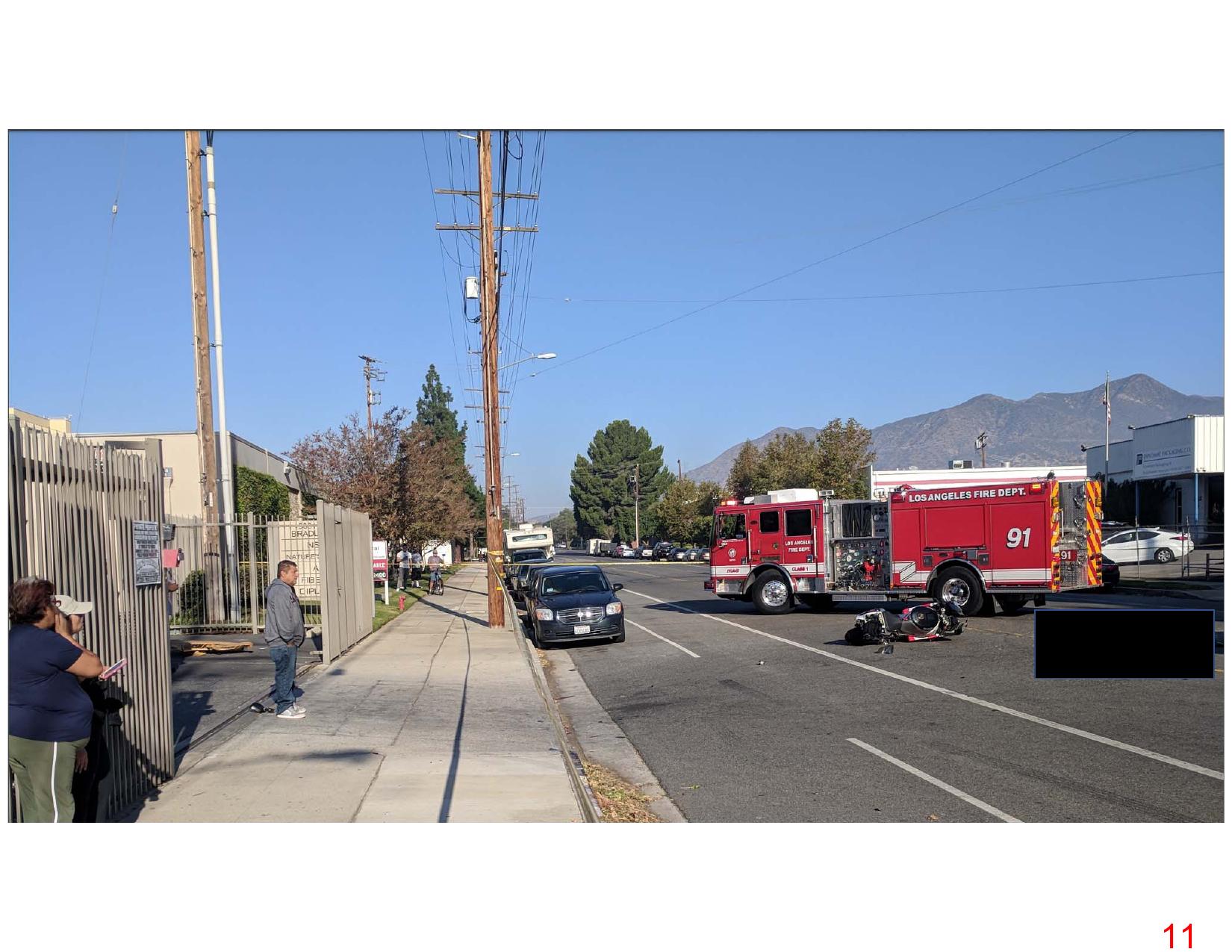
Wrongful Death Heirs California Motorcycle Case Standing Rules

Determining wrongful death heirs California motorcycle case eligibility correctly at the outset is a foundational step that shapes everything from the initial complaint to the eventual damages presentation. Getting the heirship analysis wrong can create procedural complications that distract from the merits, which is why it belongs at the front of a case, as it did in the firm's motorcycle wrongful death trial.

377.60

Code of Civil Procedure section identifying who may bring a wrongful death claim

One

Single action all California wrongful death heirs must join

Wrongful death heirs California motorcycle family standing and damages documentation

Who Qualifies as a Wrongful Death Heirs California Motorcycle Claimant

California Code of Civil Procedure section 377.60 identifies the categories of individuals who may bring a wrongful death claim, generally prioritizing the decedent's surviving spouse or domestic partner and children, including legally adopted children. Where no surviving spouse, domestic partner, or children exist, the statute extends standing to others entitled to the decedent's property by intestate succession, and in some circumstances to putative spouses, stepchildren, or others who were financially dependent on the decedent.

Why Heirship Determinations Must Happen Early

Identifying every eligible heir at the outset of litigation, rather than midway through, prevents later disputes over standing and keeps the case from a challenge that a necessary party was omitted. With a younger, unmarried decedent, this analysis frequently requires investigating whether the decedent had children, whether paternity or maternity was legally established for any children, and whether any other dependents may have a claim under the statute's broader provisions.

The Issues That Shape an Heirship Case

Wrongful death cases involving multiple heirs sometimes involve family tension over the allocation of any eventual recovery, particularly in blended families or where relationships were strained even before the death. Addressing those dynamics proactively, including clear communication about how damages will be allocated among heirs, helps prevent disputes that could otherwise undermine the family's unified presentation to a jury or delay resolution of a settlement.

The single-action requirement

California generally requires all wrongful death heirs to join a single action, or that heirs not joining voluntarily be given notice and an opportunity to join. The rule prevents a defendant from facing multiple separate suits over the same death and requires careful case management in complex families.

Damages individualized to each heir

While heirs recover under a shared cause of action, the noneconomic damages of each heir are individualized. A spouse's loss of companionship differs from a parent's loss of a child, so effective damages proof develops separate evidence for each heir's specific relationship with the decedent.

Financial dependency evidence

For heirs whose standing rests on financial dependency rather than an automatically recognized relationship, establishing the dependency requires financial records, tax filings, and testimony describing the support the decedent provided, developed early because that standing can be challenged more readily.

How Heirship Framed the Underlying Case

In the firm's motorcycle wrongful death trial, resolving standing and damages for the family at the outset kept the focus on liability and loss.

Theory pleaded
Jury finding
Statutory standing
Established under Code of Civil Procedure section 377.60
Single-action rule
All eligible heirs joined in one action
Damages proof
Individualized to each heir's relationship with the decedent
Verdict for the family
$36.5 million, with 0 percent fault to the rider

Keep Reading

Related breakdowns from this motorcycle wrongful death case.

Back to Case Studies

Referring a wrongful death case?

We take motorcycle and wrongful death cases as counsel or co-counsel and pay statutory referral fees.

Refer a case

Frequently Asked Questions

Who can bring a wrongful death claim in California?

California Code of Civil Procedure section 377.60 generally allows the decedent's surviving spouse, domestic partner, and children to bring a wrongful death claim, and extends standing to other heirs entitled to the decedent's property by intestate succession where no spouse, domestic partner, or children survive.

Why is it important to identify all wrongful death heirs early in a case?

Identifying all eligible heirs early prevents later standing disputes and protects the case from a challenge that a necessary party was omitted, which is especially important in families with a complex structure.

Do all wrongful death heirs have to join in a single lawsuit?

Generally, yes. California requires wrongful death heirs to join in a single action, or that heirs who do not join voluntarily be given notice and an opportunity to do so, preventing a defendant from facing multiple separate suits over the same death.

Skip to content