
Commercial Driver Backing California Liability and Duty Standards

A commercial driver backing California case raises liability considerations beyond an ordinary driveway backing collision between two private individuals. When the vehicle is owned or insured by a company, additional legal theories, insurance considerations, and evidentiary opportunities come into play, as they did in the firm's motorcycle verdict, which involved a company pickup truck insured for $10 million.

22106

Vehicle Code section requiring a backing movement be made with reasonable safety

$10M

Commercial policy on the company pickup in the underlying case

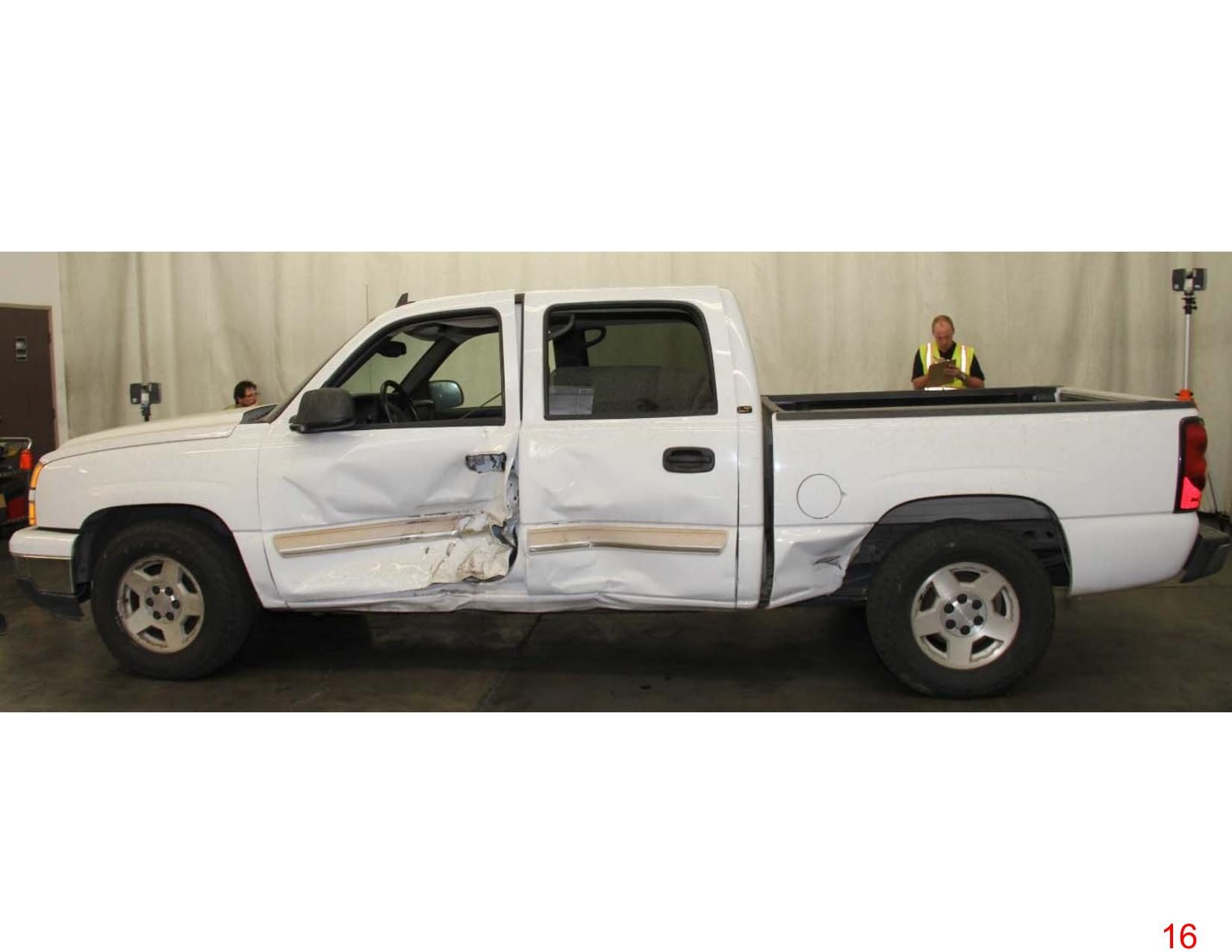
Commercial driver backing California company pickup truck backing from driveway diagram

The Basic Duty in a Commercial Driver Backing California Claim

California Vehicle Code section 22106 prohibits starting a stopped, parked, or standing vehicle, or backing a vehicle, unless the movement can be made with reasonable safety. The duty requires a driver backing out of a driveway to affirmatively confirm the path is clear before proceeding, not to assume the absence of any obstacle without adequate observation, and it applies whether the vehicle is a personal car or a company-owned truck.

Why Commercial Vehicle Involvement Changes the Case

When a company owns or insures the vehicle in a backing collision, several considerations arise. Higher policy limits are often available, since commercial auto policies frequently carry substantially more coverage than personal auto policies, which can be critical in a catastrophic injury or death case. The company itself may also bear independent liability under vicarious liability if the driver was acting within the scope of employment, or under negligent entrustment if the company knew or should have known the driver posed a safety risk.

Building the Case Against the Company

Effective litigation coordinates the physical accident reconstruction, addressing exactly how and why the backing maneuver caused a collision, with the employment and company-policy discovery addressing why the company should answer alongside the individual driver. Presenting both threads together lets a jury understand the full picture: what the driver did, and why the company that owned and insured the vehicle is also accountable.

Investigating the employment relationship

Vicarious liability turns on the specific facts of the driver's employment at the time of the collision, including whether the trip was work-related. Even backing a company vehicle out of a private driveway can fall within the scope of employment, making this factual investigation an important early step.

Safety policies and training records

Discovery should include the company's internal safety policies, any backing-specific training or guidance, and the driver's own training and safety record. A company that failed to train, or knew of prior incidents involving the same driver, may face exposure beyond simple vicarious liability.

Using higher policy limits strategically

A substantial commercial policy removes the concern that a policy limit caps the family's recovery below the actual value of their loss. That lets counsel focus the case on establishing liability and fully developing damages, without the constraint of a modest personal auto policy.

How the Backing Duty Decided the Underlying Case

In the firm's motorcycle verdict, the driver's backing maneuver and the company coverage shaped both liability and recovery.

Theory pleaded
Jury finding
Statutory duty
Backing driver had to confirm the path was clear
Recorder data
No braking as the truck backed from 1 to 6 mph
Commercial coverage
Company pickup insured for $10 million
Fault assigned to the rider
0 percent

Keep Reading

Related breakdowns from this motorcycle wrongful death case.

Back to Case Studies

Referring a commercial vehicle case?

We take commercial vehicle, motorcycle, and wrongful death cases as counsel or co-counsel and pay statutory referral fees.

Refer a case

Frequently Asked Questions

What duty does California law impose on a driver backing a vehicle?

California Vehicle Code section 22106 requires that backing a vehicle only be done when it can be accomplished with reasonable safety, meaning the driver must affirmatively confirm the path is clear before proceeding.

Why does it matter if the vehicle involved is company-owned?

Company-owned vehicles often carry higher insurance policy limits and can create independent company liability under vicarious liability or negligent entrustment theories, in addition to the individual driver's own negligence.

What is vicarious liability in this context?

Vicarious liability holds an employer responsible for an employee's negligence if the employee was acting within the course and scope of employment at the time of the collision, which can include work-related trips even involving backing out of a private driveway.

Skip to content