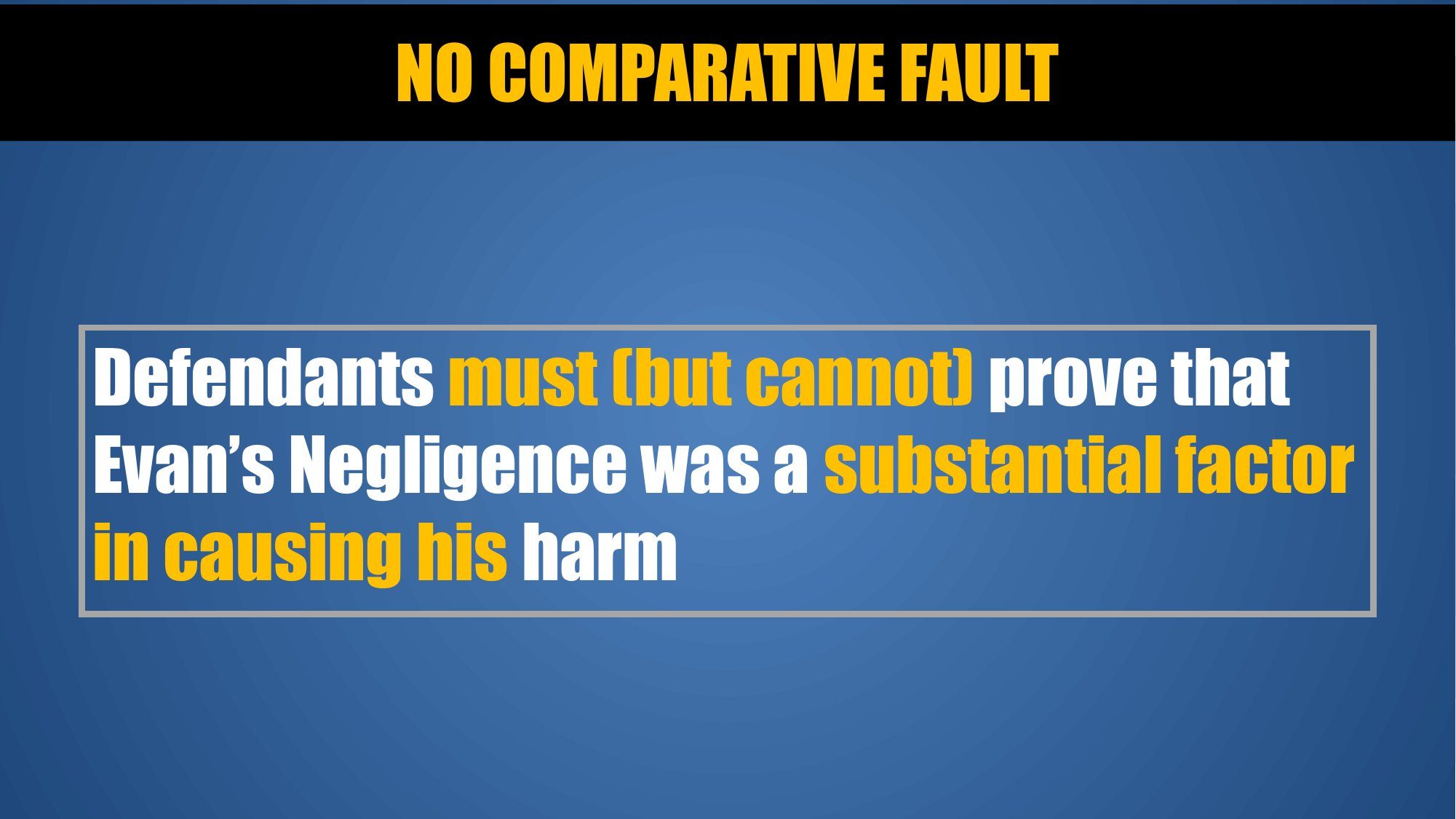
Defense counsel and insurance adjusters frequently anchor early settlement discussions around an assumed high comparative fault percentage tied to a helmet violation, often in the range of 20 to 40%, based on generalized assumptions rather than case-specific evidence. Actual jury verdicts tell a different story when the plaintiff's team develops medical causation evidence properly. Juries who hear detailed biomechanical and neurological testimony establishing that a compliant helmet would not have prevented the specific injury at issue have returned comparative fault findings in the low single digits, reflecting a recognition that the helmet issue, once tested against real evidence, is a minor factor relative to the conduct that caused the underlying collision. This gap is exactly why early case evaluation should not defer to an assumed helmet-related discount without first developing the medical causation record.