
Mode of Operation Warehouse California Doctrine and Notice

Mode of operation warehouse California analysis addresses how a large-format retailer's own business practices, self-service shopping, high customer volume, expansive outdoor areas, and vehicle traffic immediately adjacent to pedestrian spaces, affect the notice and foreseeability standards applied in a premises liability claim. California courts evaluate a store's operational choices as part of determining what risks were reasonably foreseeable and what inspection or safety measures a reasonably prudent operator should have implemented.

Ortega

California Supreme Court case allowing constructive notice by inference

25%

Share of fault the jury assigned to the store's operational choices

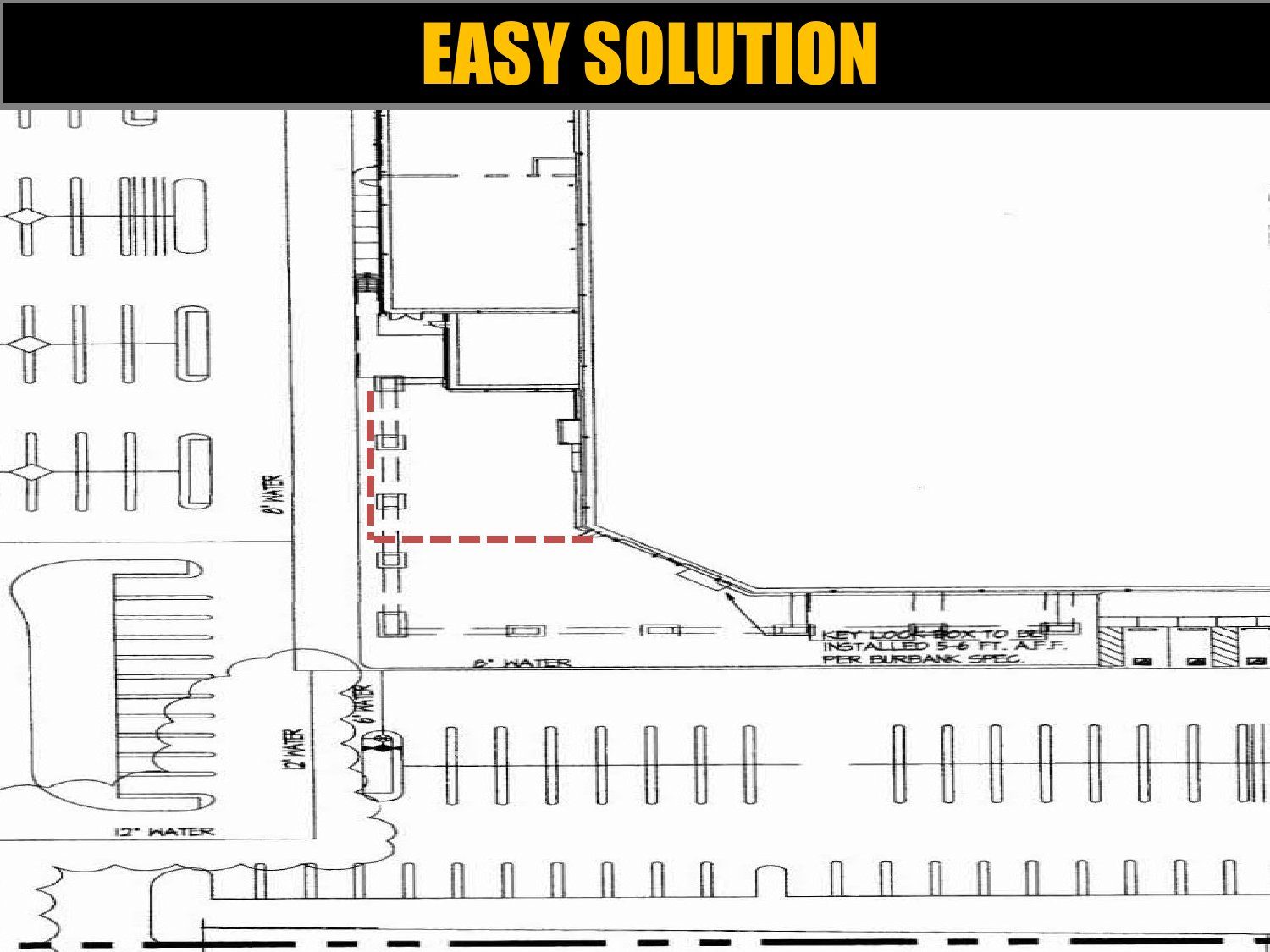
Mode of operation warehouse California analysis using a warehouse store site layout plan

The Ordinary Notice Requirement in California Premises Cases

California premises liability law generally requires an injured plaintiff to show that the property owner had actual or constructive notice of a dangerous condition before it can be held liable. In Ortega v. Kmart Corp., the California Supreme Court held that a plaintiff can establish constructive notice through circumstantial evidence, including evidence that the property had not been inspected within a reasonable period of time before the incident, allowing a jury to infer that a dangerous condition existed long enough that reasonable diligence would have discovered it.

How a Retailer's Business Model Shapes the Foreseeability Analysis

A warehouse club or big-box retailer's operational choices, including outdoor seating areas positioned adjacent to active parking and drive lanes, large parking fields with high vehicle turnover, and layouts that place pedestrians in close proximity to vehicle traffic, are directly relevant to what risks the retailer should reasonably have anticipated. Where a retailer's own chosen layout places customers in a location a vehicle could foreseeably reach if it left a designated travel path, the retailer's operational decision itself becomes part of the evidence bearing on foreseeability, distinct from any single specific incident that might otherwise be required to establish notice of a particular hazard.

Building the Mode of Operation Argument

Notice through institutional knowledge

Rather than relying solely on a specific prior incident at the exact location, a mode of operation analysis often draws on a retailer's broader institutional knowledge and conduct, including safety measures the same company implemented at other locations to address the identical operational risk. When a retailer already recognized elsewhere that its outdoor pedestrian areas required vehicle barriers, that recognition can support an inference that the same risk was known and foreseeable at every comparable location.

Presenting the argument at trial

Presenting the argument effectively typically requires laying out the retailer's operational layout choices side by side with the physical characteristics of the injury location, supported by testimony from a premises safety or retail operations expert who can explain industry-standard practices for managing vehicle and pedestrian separation at similar facilities.

Discovery across a store network

Obtaining evidence of practices at other locations typically requires targeted discovery seeking incident reports, safety audits, capital improvement records, and internal safety committee communications across the company's broader network. Retailers often resist producing company-wide records, so it helps to frame these requests around the specific operational risk rather than as an open-ended demand.

How Mode of Operation Applied Here

The same framework let a jury treat a national warehouse club's own conduct across its stores as evidence of foreseeability at the injury location.

Theory pleaded
Jury finding
Operational choice at issue
Outdoor food court beside active drive lanes
Company-wide conduct
Barriers already installed at four other stores
Fault assigned to the store
25 percent
Jury verdict
$2 million

Keep Reading

Related breakdowns from this case and our premises liability practice.

Back to Case Studies

Referring a warehouse premises case?

We take premises liability cases involving mode of operation and notice issues as counsel or co-counsel and pay statutory referral fees.

Refer a case

Frequently Asked Questions

What does mode of operation mean in a California premises liability case?

It refers to how a retailer's own business practices and operational layout affect what risks were reasonably foreseeable and what safety measures a reasonably prudent operator should have implemented.

What did Ortega v. Kmart establish about proving notice in California?

Ortega established that a plaintiff can prove constructive notice through circumstantial evidence, including a lack of reasonable inspection, allowing a jury to infer the dangerous condition existed long enough to have been discovered.

How can a retailer's layout choices become evidence in a premises liability case?

If a retailer's own chosen layout places customers where a vehicle could foreseeably reach, that operational decision becomes evidence bearing directly on whether the resulting risk was foreseeable.

Skip to content