Truck Maintenance Inspection Defects California Cases

Truck maintenance inspection defects California litigation turns on a simple proposition: an 80,000-pound commercial vehicle depends on its brakes, tires, and steering components working correctly every time it is on the road, and federal law requires a systematic maintenance program to make sure they do. When a carrier skips inspections, ignores a known defect, or fails to keep the maintenance records the law requires, that failure becomes central evidence in a serious crash case.

Part 396

Federal rule requiring systematic inspection, repair, and maintenance

Annual

Minimum periodic inspection every commercial vehicle must pass

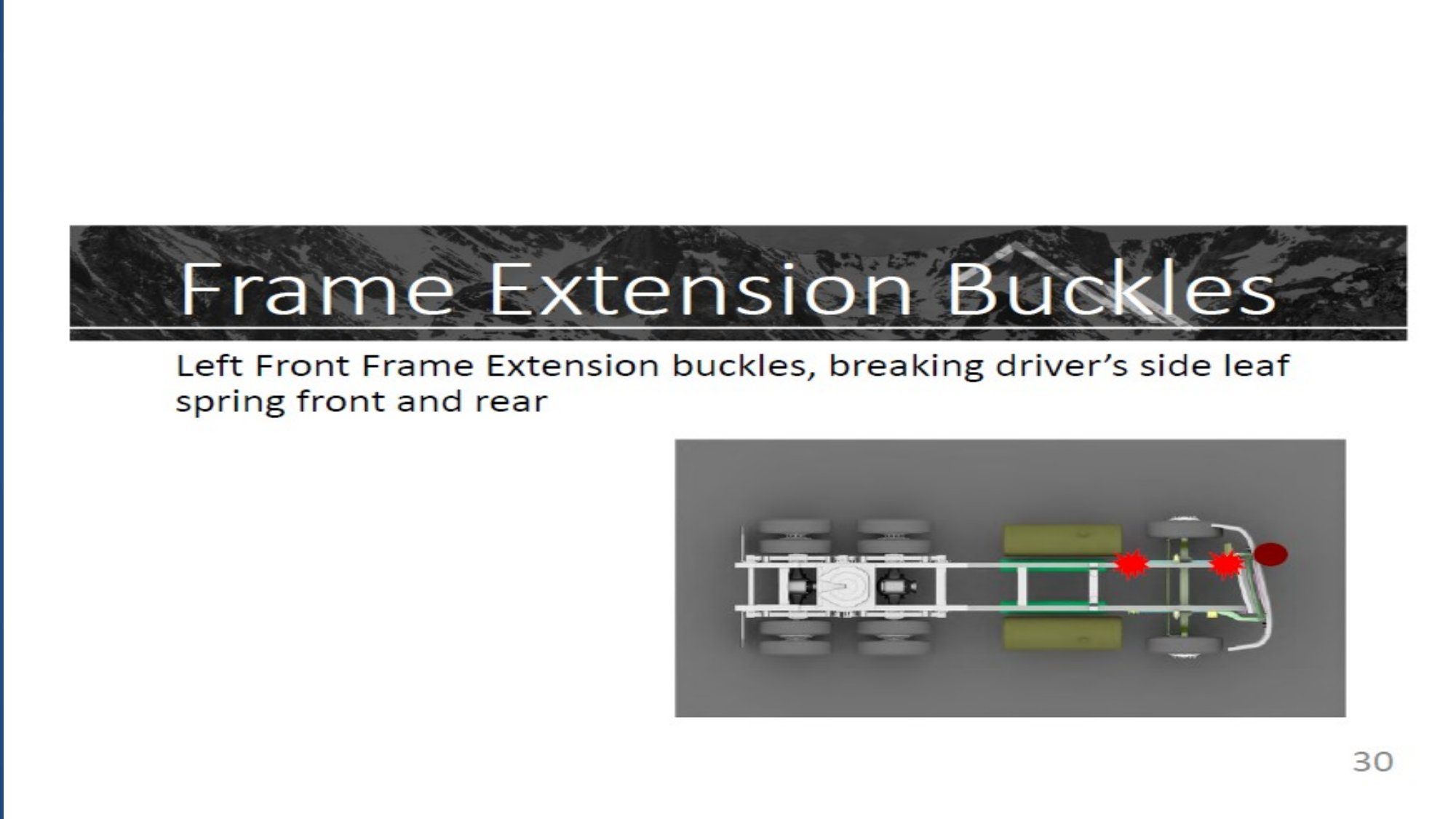
Truck maintenance inspection defects California commercial vehicle structural and brake failure diagram

The Federal Maintenance Framework Behind Truck Maintenance Inspection Defects California Claims

49 CFR Part 396 requires every motor carrier to systematically inspect, repair, and maintain all vehicles under its control. The regulation is not a vague aspiration. Carriers must run a program for regularly scheduled inspection and maintenance, not merely reactive repairs after something breaks. They must keep records for each vehicle showing its identification, a history of inspections and repairs, and the dates and nature of the work performed. Every commercial motor vehicle must undergo a periodic inspection at least annually, covering brakes, steering, lighting, and tires. Drivers must complete a Driver Vehicle Inspection Report at the end of each day, and a noted defect must be certified as repaired or unnecessary before the vehicle is dispatched again.

Why DVIRs and CHP Inspections Decide These Cases

The daily vehicle inspection report creates a contemporaneous, driver-generated record of the vehicle's condition. DVIRs from the weeks and months before a crash can reveal a pattern of recurring defects, such as repeated brake warnings, that the carrier never permanently resolved. The absence of DVIRs, or DVIRs that are suspiciously uniform and defect-free across a fleet, raises its own questions about whether drivers actually inspected the vehicles. California's Motor Carrier Safety Assistance Program, administered through the California Highway Patrol, conducts roadside and terminal inspections that frequently uncover defects serious enough to place a vehicle out of service. A vehicle placed out of service in the weeks before a crash, for a defect related to the crash cause, is powerful evidence the carrier was on notice of the danger.

The Issues That Build a Maintenance Case

Out-of-service criteria as a threshold

The North American Standard Out-of-Service Criteria define the defect thresholds that require a vehicle to be pulled from service, covering brakes, tires, steering, suspension, and lighting. When a crash vehicle is later found to have had an out-of-service-level defect that existed before the crash, the case shifts from a pure driver-conduct case to a maintenance failure case.

Brake and tire failures

Brake and tire failures remain among the most common mechanical contributors to serious truck crashes. Brake failures can stem from worn linings, out-of-adjustment brakes across multiple axles, or air system leaks. Tire failures, including tread separation and blowouts, often trace back to under-inflation, overloading, or tires not rated for the vehicle's gross weight.

Preventive maintenance schedules and their limits

A preventive maintenance schedule that is less frequent than the manufacturer's recommended intervals, or a pattern of skipped or delayed service under scheduling pressure, is evidence that the carrier's program did not meet the systematic standard Part 396 requires. Comparing actual maintenance history against both the federal minimum and the manufacturer's schedule is a standard evaluation step.

How the Maintenance Theory Comes Together

A maintenance defect case pairs documentary evidence with two coordinated experts who translate the paper record into a mechanical cause.

Theory pleaded
Jury finding
Federal duty
Part 396 requires a systematic inspection, repair, and maintenance program
Notice evidence
CHP out-of-service orders and recurring DVIR defects
Mechanical proof
Forensic examination of the failed brake or tire component
Added defendant
A third-party maintenance vendor can share liability

Keep Reading

A maintenance case usually requires coordinated work between a forensic engineering expert who examines the failed component and a trucking standards expert who testifies about what a reasonably prudent carrier's maintenance program should have included.

Back to Case Studies

Referring a commercial trucking case?

We handle serious trucking and product liability cases as counsel or co-counsel and pay statutory referral fees.

Refer a case

Frequently Asked Questions

What is a Driver Vehicle Inspection Report?

A Driver Vehicle Inspection Report, or DVIR, is a federally required daily report a commercial driver completes identifying any defect or deficiency found in the vehicle during or after that day's operation.

What is the CHP's role in truck maintenance enforcement?

The California Highway Patrol enforces commercial vehicle safety compliance through its Motor Carrier Safety Assistance Program, conducting roadside and terminal inspections that can place defective vehicles out of service.

What happens when a vehicle is placed out of service?

An out-of-service order means an inspector found a defect serious enough, under national out-of-service criteria, that the vehicle cannot legally continue in operation until the defect is repaired.

Skip to content