
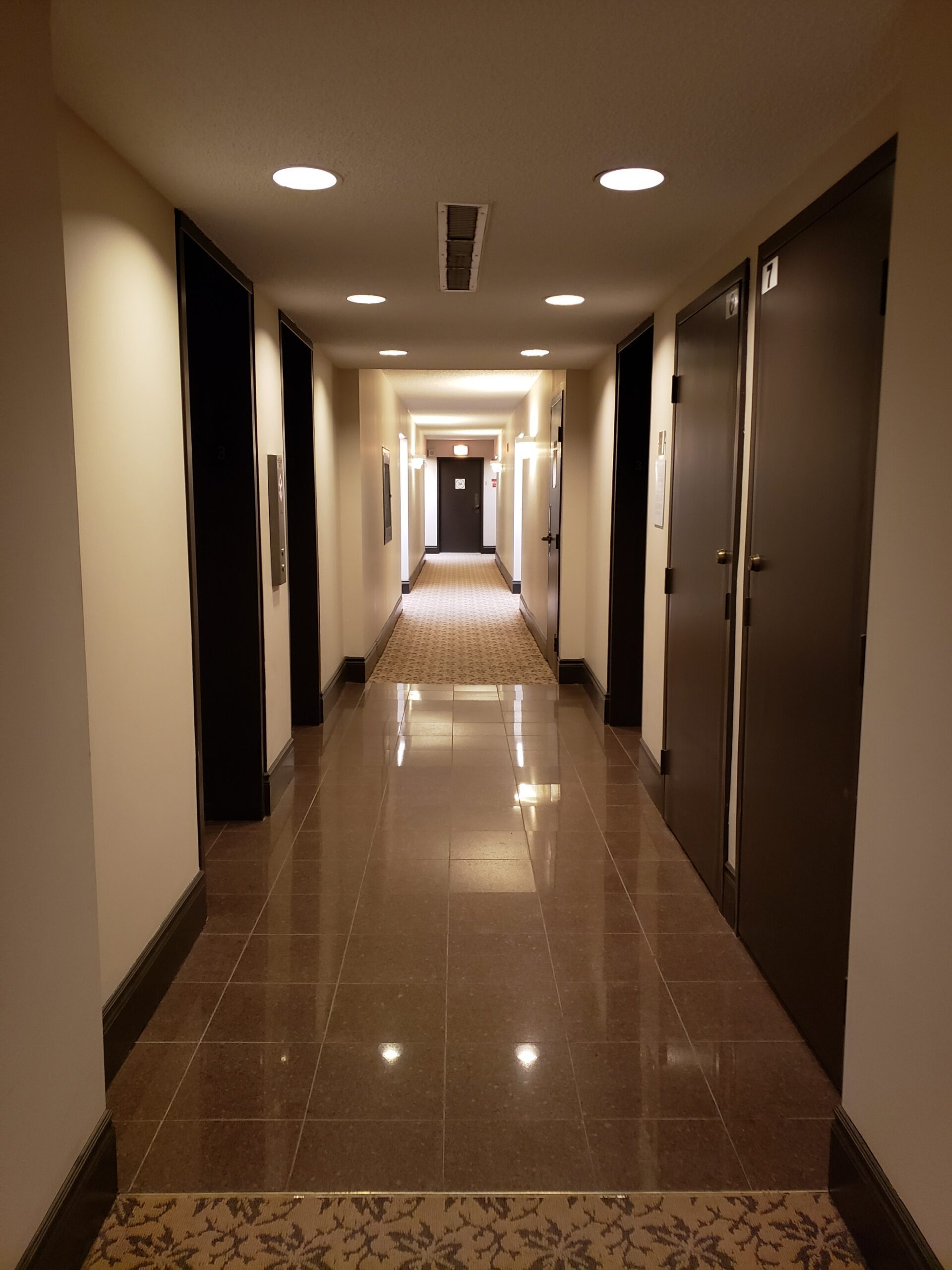
Welfare Check Failures Hospitality Industry: A Litigation Roadmap

Welfare check failures hospitality litigation occupies a specific and underappreciated niche within premises liability practice. A welfare check request typically arises when a guest cannot be reached by phone or in person, and a family member, friend, or colleague asks the property to physically verify the guest's safety. When hotels handle these requests poorly, the consequences can be catastrophic, and the resulting litigation raises distinct proof issues from a typical slip and fall or security negligence claim.

2

Staff members many written policies require for a welfare check

Real time

When the negligence occurs, during an active request for help

Welfare check failures hospitality staff training document showing two-person protocol

Why Welfare Check Failures Hospitality Cases Are a Distinct Category

Most hotel negligence claims involve a static hazard, such as a wet floor or a broken railing, that existed before the plaintiff's injury. Welfare check failures hospitality claims are different because the negligence occurs in real time, in direct response to an active request for help. This timing distinction matters enormously for both liability and damages, because a hotel's conduct during the welfare check itself, not merely a pre-existing condition, is what caused or worsened the plaintiff's injury.

The Two-Person Standard

Many hospitality companies maintain written policies requiring more than one staff member to conduct a welfare check, recognizing that a single employee is more likely to miss signs of a medical emergency, more likely to make an incomplete assessment, and has no witness to corroborate what was or was not observed. Obtaining the property's written policy on staffing for welfare checks is one of the first and most important discovery priorities. If a policy calls for two staff members and the property sent only one, that single fact often becomes the centerpiece of the entire liability case. If the property has no written policy at all, that absence itself may support an argument that it failed to establish reasonable procedures for a foreseeable category of guest emergency.

The Issues That Decide These Cases

Training as a discovery target

In many cases the employee sent to perform a welfare check has no training specific to recognizing signs of a medical emergency, no protocol for a guest who does not answer, and no clear escalation procedure. Discovery should request training materials, personnel files related to the incident, and records of the employee's prior experience performing similar checks.

Building the causation case

The central challenge is establishing that a properly conducted check would have led to earlier discovery of the emergency and materially better outcomes. Time-stamped records are critical: the time of the original call, the time the employee reportedly checked the room, any follow-up, and the time emergency services were contacted.

Anticipating the defense playbook

Defendants commonly argue the medical condition was unforeseeable, that a family member's involvement shifted responsibility, and that causation is too speculative. Each can be met directly: the hotel's responsibility is for the delay, a family member's request does not transfer the hotel's duty, and medical testimony to a reasonable degree of medical probability satisfies California's causation standard.

The Timeline That Proves Breach and Causation

Any gap in the response timeline that exceeds what a properly staffed and trained response would have required becomes powerful evidence of both breach and causation.

Theory pleaded
Jury finding
Time of the request
When the family member or colleague first called for a welfare check
Time of the response
When the employee reportedly checked the room and what was observed
Time emergency services arrived
The delay measured against a properly staffed response
Medical outcome
Expert testimony on how the lost time changed the prognosis

Keep Reading

Related breakdowns from this case and our premises practice.

Back to Case Studies

Referring a welfare check or delayed-response case?

We take hospitality and delayed-care cases as counsel or co-counsel and pay statutory referral fees.

Refer a case

Frequently Asked Questions

What makes welfare check litigation different from other hotel negligence cases?

Welfare check litigation involves real-time negligence during an active response to a guest emergency, rather than a static pre-existing hazard, which shifts the liability analysis toward the property's conduct during the response itself.

Why does a two-person welfare check policy matter in litigation?

A two-person policy exists because a single employee is more likely to miss signs of an emergency and has no witness to corroborate the check. When a property has such a policy and fails to follow it, that failure often becomes the central piece of evidence in the case.

How is causation proven in a delayed welfare check case?

Causation is typically proven through a precise timeline showing the time of the original request, the time of the response, and the time emergency services were contacted, combined with medical expert testimony explaining how the delay affected the outcome.

Skip to content