
For referring counsel: Hotel negligence TBI cases in California rarely turn on the original medical event. They turn on the delay that followed it. When a hotel responds late or responds wrong, a survivable bleed can become a permanent brain injury. The O'Malley v. Diamond Resorts result shows what these cases are worth and how they are won.
Refer or co-counsel: (323) 252-7921 · [email protected]
Case at a glance.
O'Malley v. Diamond Resorts Management, Inc., Orange County Superior Court No. 30-2015-00771021 (Hon. Frederick Paul Horn). Jury verdict exceeding $60 million; paid judgment exceeding $100 million after interest; unanimously affirmed on November 7, 2023 (G061459, unpublished). Diamond did not contest the amount of the award on appeal.
What happened in O'Malley v. Diamond Resorts
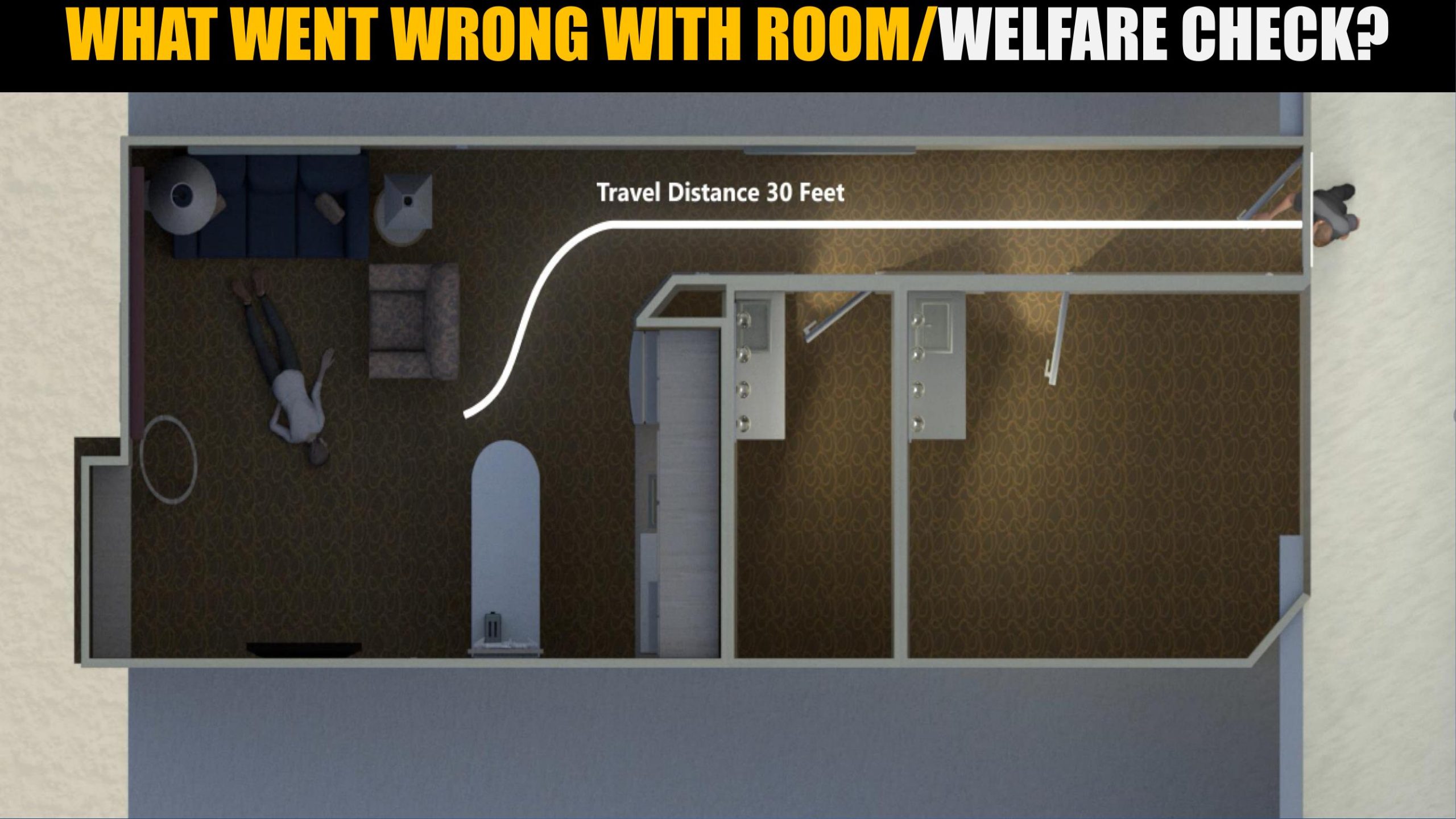
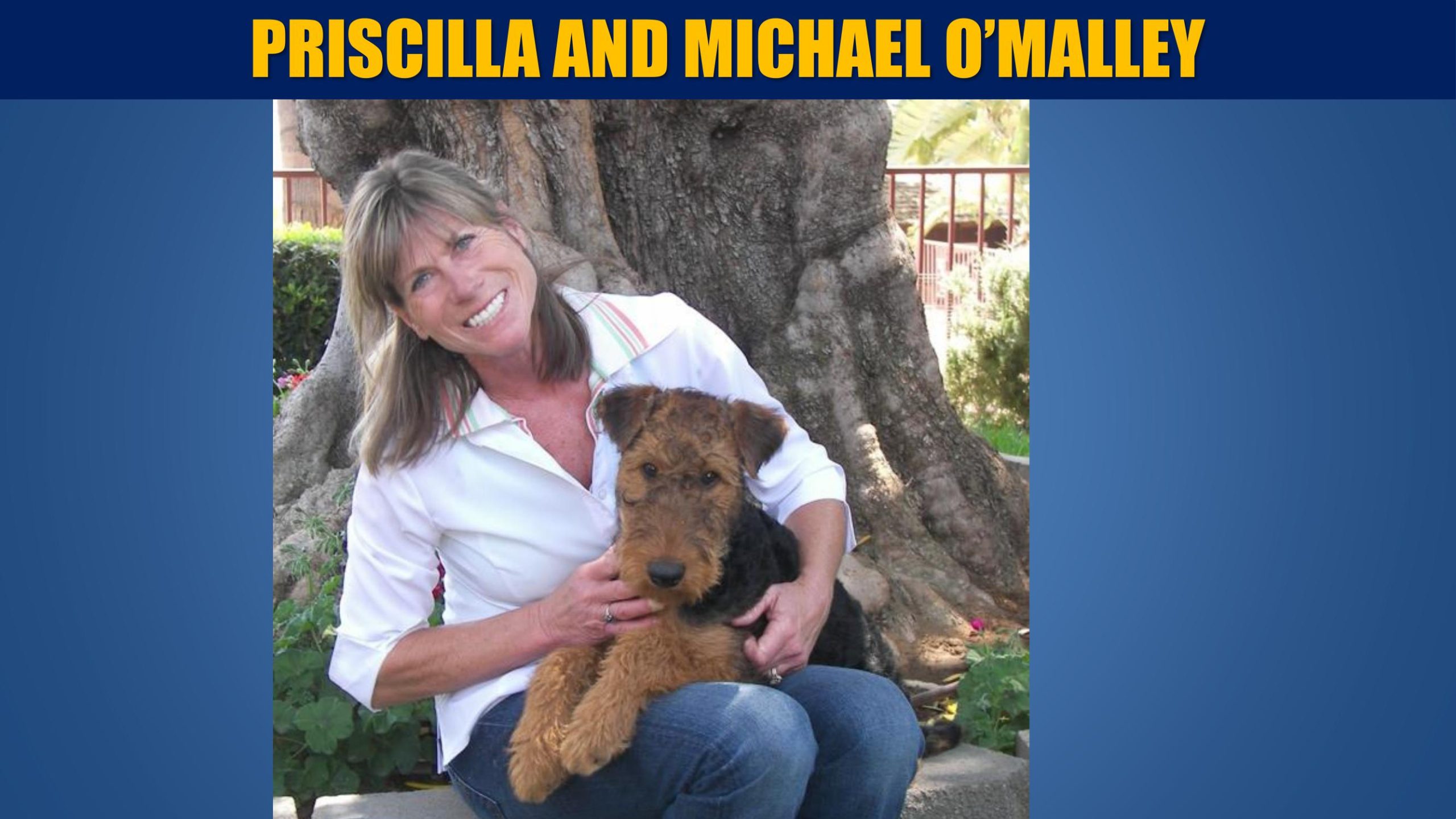
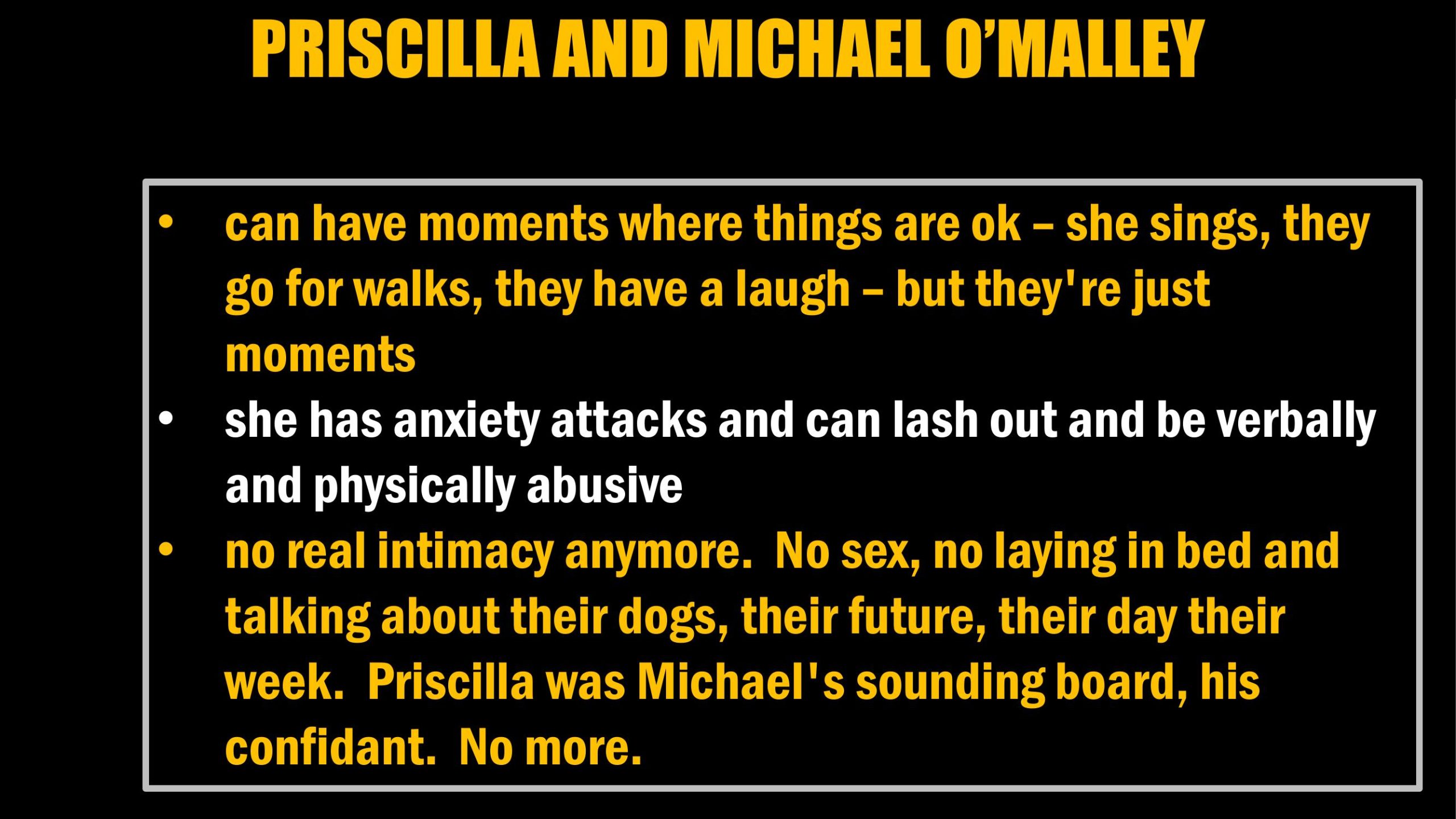
On March 29, 2014, Priscilla O'Malley checked into a Diamond Resorts hotel in Dana Point, California, and suffered a ruptured brain aneurysm in room 102 at about 6:30 p.m. Her husband Michael could not reach her for hours. At about 10:30 p.m. he called the front desk and asked staff to check on her. The clerk sent one maintenance worker who had never done a welfare check. He opened the door, saw a dark room, never went inside, and reported it empty. The clerk then told Michael the worker had gone in and that Priscilla was not there.
Michael drove from Riverside and found his wife at about 5:15 a.m., unconscious on the living-room floor. The aneurysm had been bleeding for roughly ten hours, and hydrocephalus had developed. Priscilla survived, but she can no longer form new memories. An Orange County jury found Diamond liable, and the Court of Appeal affirmed.
Why hotel negligence TBI cases are different
The injury that drives these cases is the delay, not the original event.
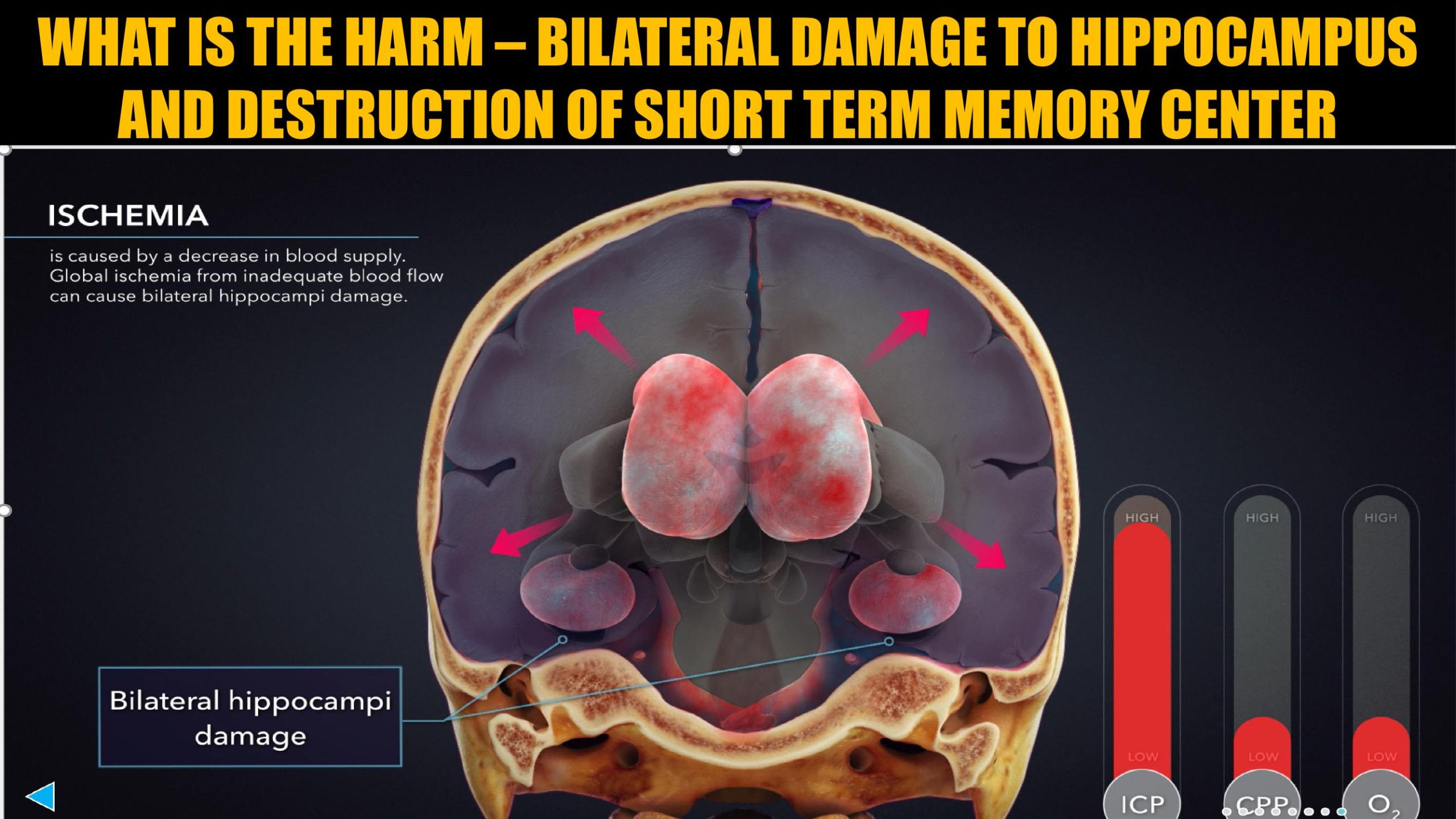
When a bleed begins, intracranial pressure rises while perfusion and oxygen fall, and brain tissue dies, especially in the memory-forming hippocampus. By the time responders arrive after a botched welfare check, the damage is permanent.
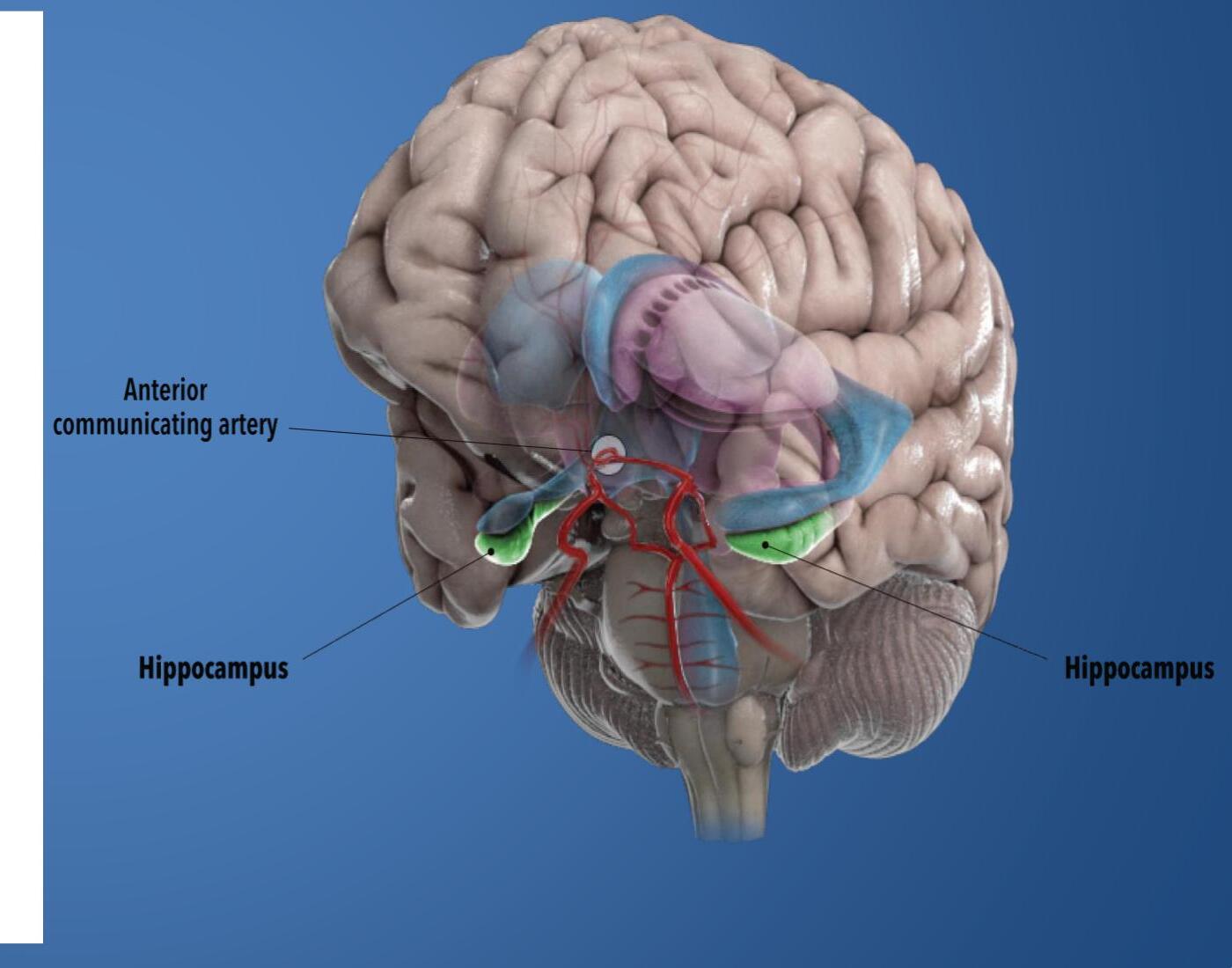
The result is anterograde amnesia. As the Court of Appeal described, Priscilla cannot track what she is doing from moment to moment, and she cannot plan or organize independently. That is why these plaintiffs need lifelong care and the damages run high.
The "it would have happened anyway" defense
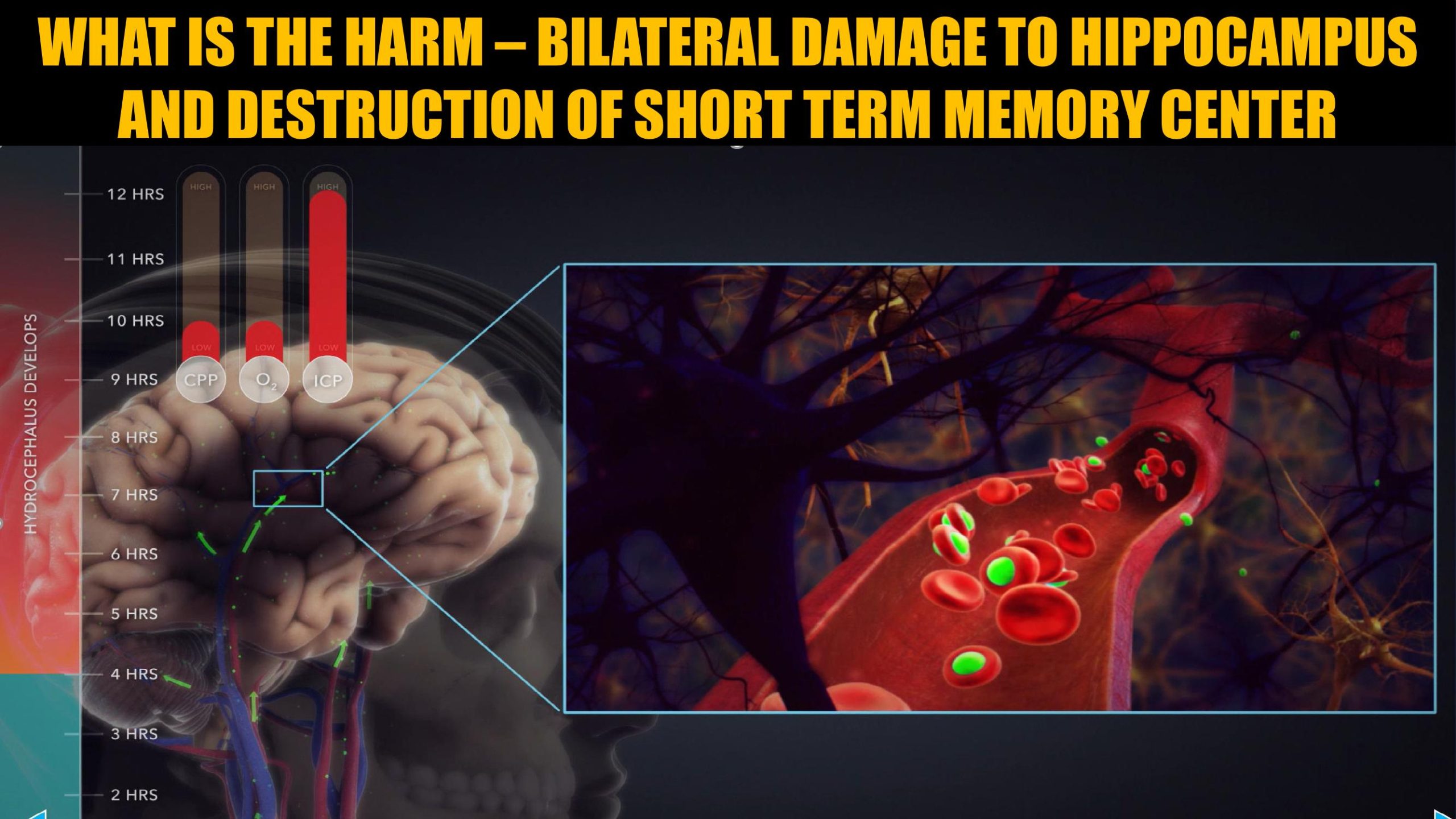
Defendants argue the outcome was inevitable. The medicine disagrees. In aneurysmal subarachnoid hemorrhage, acute hydrocephalus commonly develops in the early hours and is treatable through ventriculostomy, cerebrospinal fluid diversion, and blood-pressure control. In O'Malley the plaintiffs proved causation through the treating physicians and a retained expert, and the Court of Appeal rejected Diamond's causation challenge.
Two liability theories that support the verdict
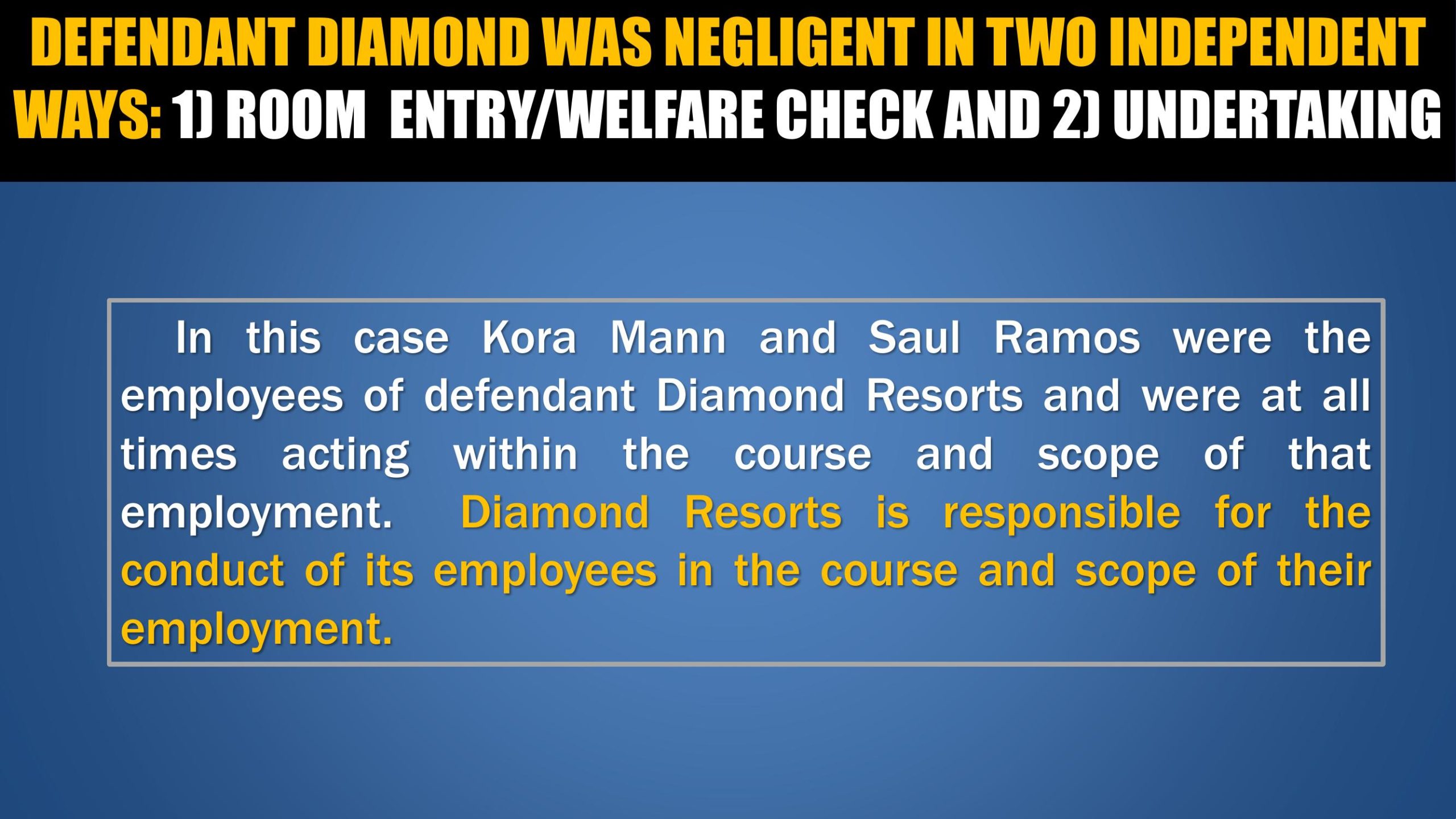
A well-pleaded case carries two independent theories, and a verdict on either one can stand.
Ordinary negligence. A hotel owes its guests reasonable care. When it adopts written room-entry procedures and ignores them, that is evidence of negligence. The trial court admitted Diamond's procedures, and the Court of Appeal upheld that ruling.
Negligent undertaking. Under Paz v. State of California (2000) 22 Cal.4th 550 and Artiglio v. Corning Inc. (1998) 18 Cal.4th 604, California's version of Restatement (Second) of Torts section 324A, a person who undertakes to aid another must use due care and is liable if the failure increases the risk or the harm results from reliance. When the hotel accepted the call and sent staff, it undertook the duty. The controlling published authority is the prior appeal in this case, O'Malley v. Hospitality Staffing Solutions (2018) 20 Cal.App.5th 21, not the unpublished 2023 affirmance.
The burden of proof

The standard is preponderance of the evidence, "more likely true than not," not certainty. The plaintiff must show only that a correctly performed check more likely than not would have produced a better outcome. Not a perfect outcome. A better one.
The eggshell-plaintiff rule
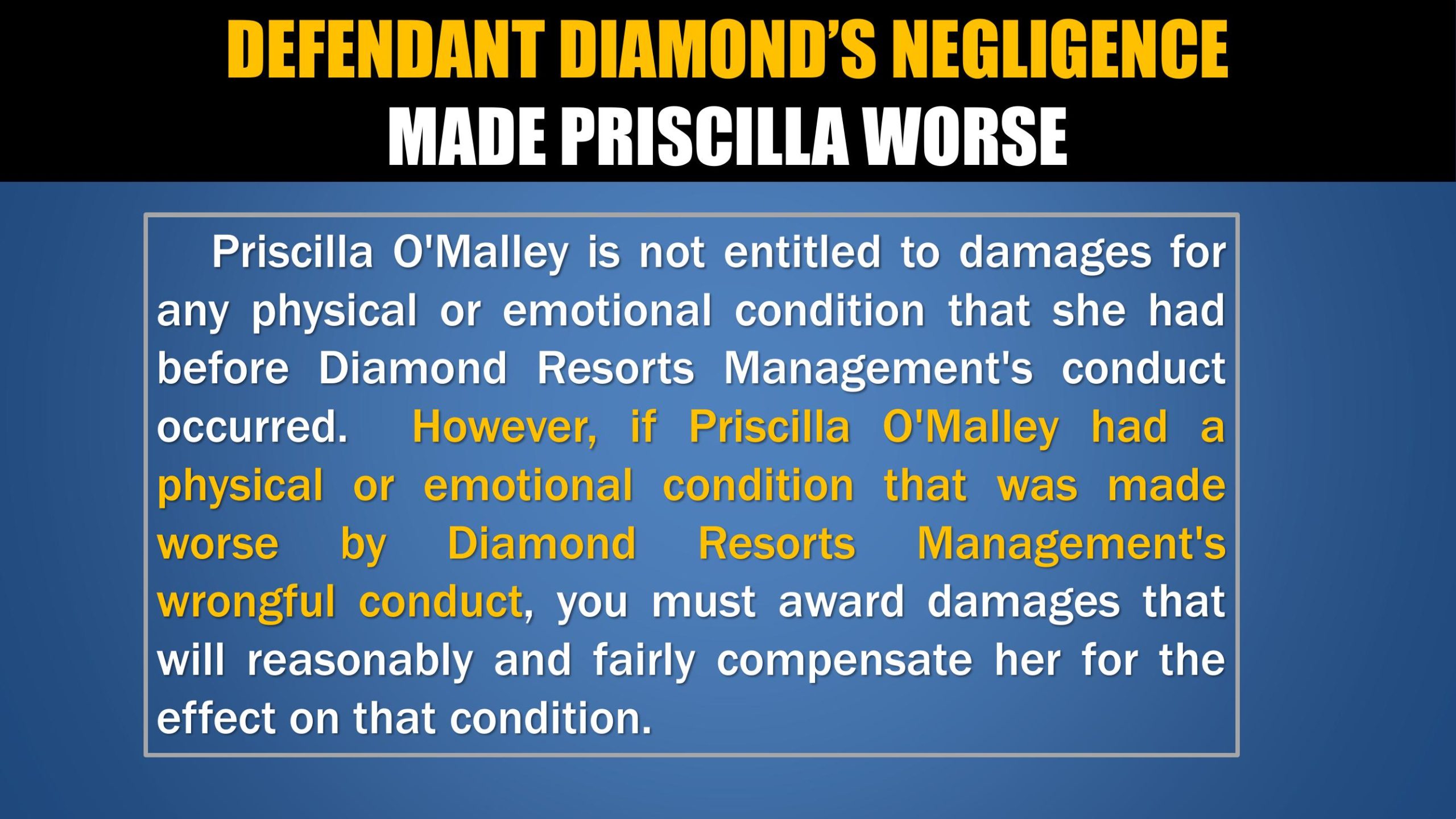
A preexisting condition does not reduce what a negligent hotel owes. Under CACI 3928 and the eggshell-plaintiff doctrine, the defendant takes the plaintiff as found. A congenital aneurysm does not cut the recovery when the hotel's negligence aggravates it.
What these cases are worth
A memory-injury plaintiff is a multimillion-dollar care model before non-economic damages are even argued. A life-care planner values future attendant care, home health aide services, equipment, and supervision, and an economist values lost earning capacity. California does not cap non-economic damages in premises cases. In O'Malley the verdict exceeded $60 million, and the paid judgment exceeded $100 million after interest.
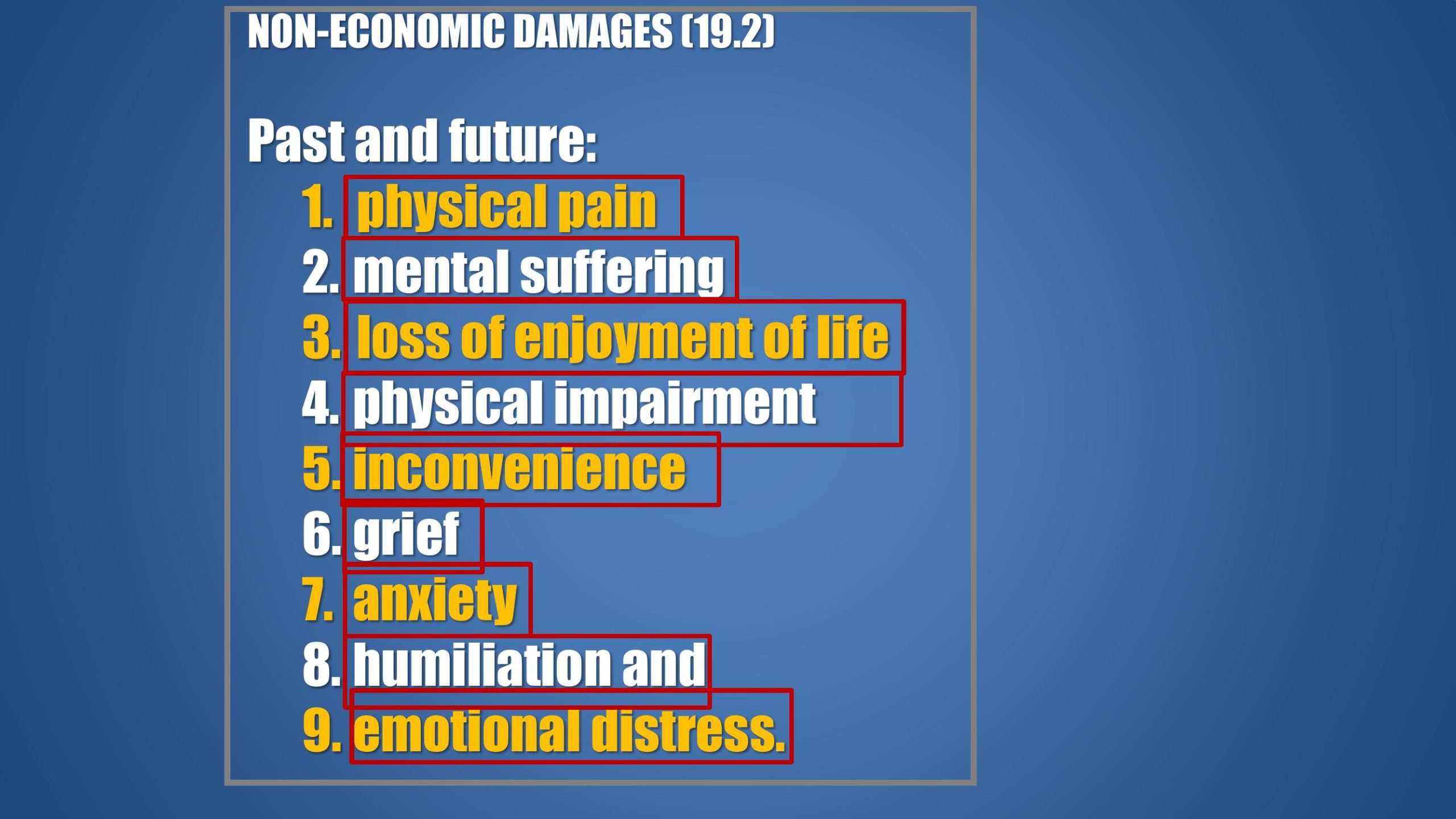
Loss of consortium is compensable to the uninjured spouse independently of the injured spouse's award, and the O'Malley judgment included the husband's recovery.
Preserve evidence before you refer
Send a litigation-hold letter the day you take the call. Priorities are the hotel's written procedures, staffing and training records, surveillance footage (it disappears first, often within days), the 911 recording and CAD logs, paramedic and emergency-department records, the incident report as a native file, and photographs of the room as found.
Refer or co-counsel
The firm pays a referral fee consistent with California Rule of Professional Conduct 1.5.1, with a written fee-division agreement and the client's written consent. Trial co-counsel is also available. See the O'Malley $100M judgment hub and the related guide to welfare-check failure claims.
The Homampour Law Firm, PC · 15303 Ventura Blvd, Suite 1450, Sherman Oaks, CA 91436
Refer or co-counsel: (323) 252-7921 · [email protected] · homampour.com
Refer a hotel-negligence or TBI case · Schedule a 20-minute case-evaluation call
Arash Homampour is a Sherman Oaks trial lawyer recognized by Super Lawyers and named by Law360 a Titan of the Plaintiffs Bar, and he has argued before the California Supreme Court.
Frequently asked questions
What hotel negligence cases does the firm accept on referral?
Catastrophic-injury and wrongful-death cases caused by hotel or short-term-rental conduct in California, especially delayed-care cases that caused or worsened a traumatic brain injury, an anoxic or hypoxic injury, a hidden bleed, a ruptured aneurysm, or a death. There is no minimum-damages threshold to evaluate a referral.
Why focus on hotel negligence TBI cases in California?
Because the doctrine is favorable, the medical causation is established, and the damages model is large. The negligent-undertaking rule, the preponderance burden, the eggshell-plaintiff rule, and the absence of a non-economic damages cap make these among the highest-value premises matters in the state. The O'Malley result is the benchmark.
How does the negligent-undertaking theory work?
Under Paz v. State of California (2000) 22 Cal.4th 550 and Artiglio v. Corning Inc. (1998) 18 Cal.4th 604, California's version of Restatement (Second) of Torts section 324A, a hotel that accepts a welfare-check request and sends staff undertakes the duty to act with reasonable care.
Do preexisting conditions reduce the recovery?
No. Under CACI 3928 and the eggshell-plaintiff rule, the defendant takes the plaintiff as found. A congenital aneurysm or chronic condition does not reduce damages when the hotel's negligence aggravated or accelerated it.
How does the referral fee work?
The firm pays a fee consistent with California Rule of Professional Conduct 1.5.1, with a written fee-division agreement and the client's written consent. Referring counsel need not perform substantive work, provided the rule's requirements are met.
Past results do not guarantee similar outcomes. Every case is different, and the value of any claim depends on its specific facts. This page is attorney advertising and general information, not legal advice, and it does not create an attorney-client relationship.