Warehouse Store Injury Case California: $2 Million for a Food Court Crash Victim

A warehouse store injury case California families rarely expect can involve a vehicle rather than a slip or a falling box. On April 17, 2007, our client was seated in the outdoor food court of a Costco warehouse store in Burbank when a 65-year-old driver, an amputee using a modified gas pedal, lost control and drove directly into the seating area. The crash pinned our client and caused serious orthopedic and lower-extremity injuries that ultimately required a total hip replacement. The driver's own insurance settled separately, but California law let our client pursue a completely separate claim against the store for failing to install the same simple barriers it had already placed at other locations. On August 17, 2010, a Los Angeles Superior Court jury returned a $2,000,000 verdict and assigned the store 25 percent of the fault.

$2M

Los Angeles jury verdict

25%

Fault the jury assigned to the store

7

Unobstructed vehicle entry points into the food court

See our verdicts and settlements
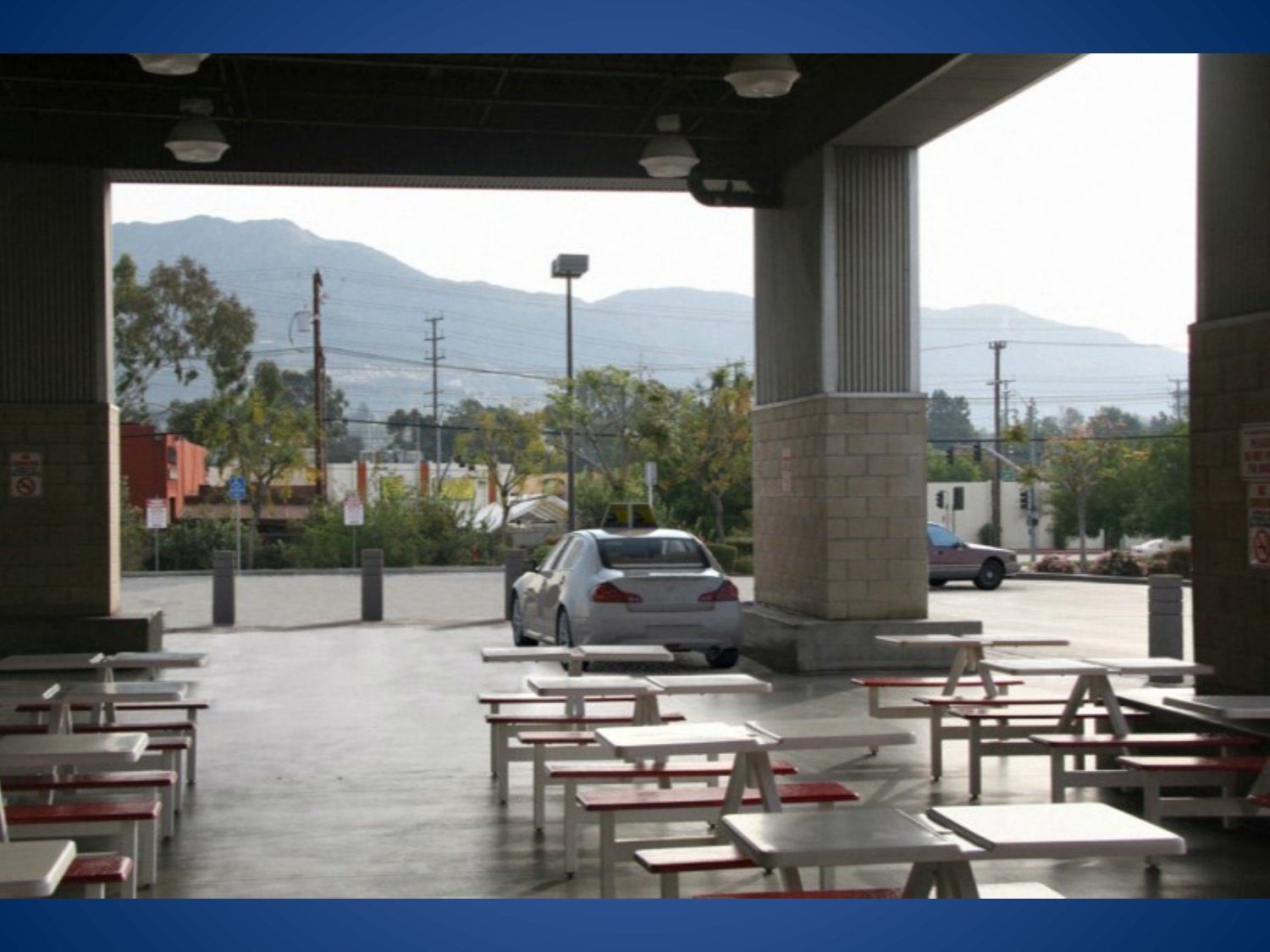
Warehouse store injury case California scene showing the outdoor covered food court seating area where the crash happened
The outdoor food court had seven separate points where a vehicle could reach seated customers, while other stores in the same chain already had protective barriers.

What Happened

On April 17, 2007, our client was seated in the outdoor food court area of a Costco warehouse store in Burbank when a 65-year-old driver, an amputee using a modified gas pedal, lost control of his vehicle. The car drove directly into the food court seating area and pinned our client, causing serious orthopedic and lower-extremity injuries that ultimately required a total hip replacement. The driver's own insurance settled separately before trial, but California law allowed our client's team to pursue a completely separate claim against the store, since settling with one at-fault party does not bar a claim against another responsible party.

What the Warehouse Store Failed to Do

Vehicle-into-storefront and vehicle-into-seating-area crashes are a well-documented, foreseeable risk in the retail industry, not a freak occurrence. Our investigation found that the store operator itself already knew this. Over the seventeen years before this crash, the company had installed protective bollards or barriers at several of its own Southern California stores, including locations in San Marcos, Signal Hill, Temecula, and Azusa, specifically to prevent vehicles from entering pedestrian areas. The Burbank store's outdoor food court, by contrast, had seven separate points where a vehicle could drive unobstructed directly into the seating area where customers, including our client, were sitting. Bollards are inexpensive. They are simple, are used even in children's playgrounds, and the company had already proven, at its own other stores, that it understood exactly this kind of protection was necessary and effective. The Burbank location simply did not have them.

How The Homampour Law Firm Built the Case

The trial team's strategy centered on proving that the store had actual knowledge of the risk and access to an inexpensive, proven fix, and chose not to use it where our client was hurt.

The retailer's own prior conduct

Evidence that the company had installed the same protective measure at four other nearby stores over more than a decade made it very difficult to argue the Burbank crash was unforeseeable. It only required the jury to compare what this retailer actually did in its own stores and to ask why the injury location was treated differently.

The timeline of internal inconsistency

The bollard installations at San Marcos, Signal Hill, Temecula, and Azusa were spread across roughly fifteen years, from around 1990 through 2005, so the company had ample time at multiple points to evaluate whether Burbank needed the same protection. Protecting some customers at some stores while leaving others exposed at a nearly identical facility is often more persuasive to a jury than expert testimony about industry standards alone.

Independent economic analysis

A retained damages expert calculated past and future lost earnings and household services losses at $659,839, contributing to an overall economic damages presentation of approximately $2,001,600, a figure that closely mirrored what the jury ultimately awarded and gave the jury a defensible, methodical basis for the number.

The jury credited the comparison between the retailer's own stores and rejected the argument that the crash was an unforeseeable, freak accident.

Why a Store Can Share Fault With the Driver

A property owner can be held partially liable if it knew or should have known that vehicle intrusion into a pedestrian area was a foreseeable risk and failed to take reasonable, available steps, such as installing bollards, to prevent it. California's comparative fault system then allows a jury to assign a percentage of fault to each responsible party. Settling with the driver's insurance does not close the door on a separate claim, because California law allows an injured person to pursue another responsible party, such as a property owner, even after resolving with one at-fault defendant. Evidence that a company adopted a specific safety measure at some locations but not others is often the single most powerful proof in these cases, since it shows the company already understood the risk and had a proven, low-cost solution available.

The Verdict

On August 17, 2010, a Los Angeles Superior Court jury returned a verdict of $2,000,000. The jury allocated 75 percent of the fault to the driver and 25 percent to the store for failing to install the barriers it had already proven, through its own conduct at other stores, that it knew were necessary. Prior results do not guarantee a similar outcome, and the value of any case depends on its own specific facts and evidence. The Homampour Law Firm handles retail and warehouse store premises liability cases on a contingency fee basis, meaning no upfront cost and no fee unless a recovery is obtained.

Theory pleaded
Jury finding
Jury verdict
$2 million
Fault assigned to the driver
75 percent
Fault assigned to the store
25 percent
Economic damages presented at trial
Approximately $2,001,600

How This Case Was Won, Topic by Topic

The breakdowns below cover California retail warehouse safety standards for vehicle intrusion, the mode of operation doctrine and constructive notice, and the video and evidence preservation steps that protect a case in its first days.

Referring a retail or warehouse premises case?

We try catastrophic premises liability cases against national retailers as counsel or co-counsel and pay statutory referral fees.

Refer a case

Frequently Asked Questions

What happened in this warehouse store injury case California families still ask about?

Our client was seated in the outdoor food court of a Burbank warehouse store when a 65-year-old driver lost control of his vehicle and drove directly into the seating area, causing serious injuries requiring a total hip replacement.

Can a store be held liable if a driver, not the store, caused my injury?

Yes, a property owner can be held partially liable if it knew or should have known that vehicle intrusion into a pedestrian area was a foreseeable risk and failed to take reasonable, available steps, such as installing bollards, to prevent it.

Does settling with the driver's insurance company prevent me from suing the store separately?

No, California law allows an injured person to pursue a separate claim against another responsible party, such as a property owner, even after settling with one at-fault defendant like the driver.

Skip to content