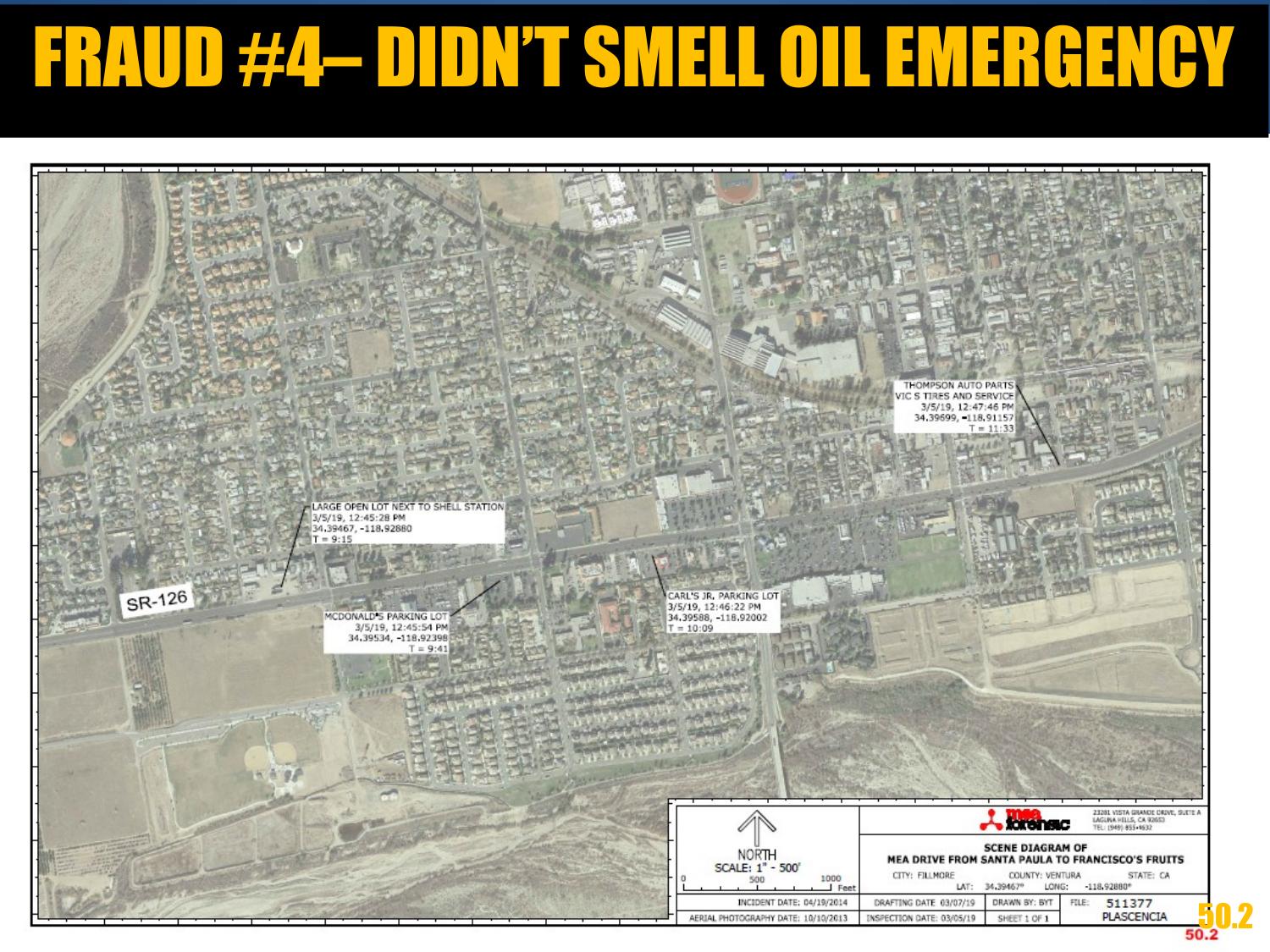
Foreseeability plays two distinct roles in an industrial corridor parking liability case. First, it supports the underlying negligence claim against the truck driver and his employer: a reasonable commercial driver, trained on defensive driving and roadside stop protocols, should recognize that parking on a narrow shoulder along a high-speed highway near a popular roadside attraction creates a foreseeable risk that another vehicle could strike the parked truck. Second, foreseeability defeats a common defense argument that the truck's presence was merely a passive condition rather than an active cause of the harm. California law rejects that framing when the parking location was foreseeably dangerous. Under CACI No. 430 on substantial factor causation, a defendant's conduct need not be the sole cause of an accident, only a substantial factor in bringing it about, and a truck parked in a foreseeably dangerous spot along a high-speed corridor readily satisfies that standard.