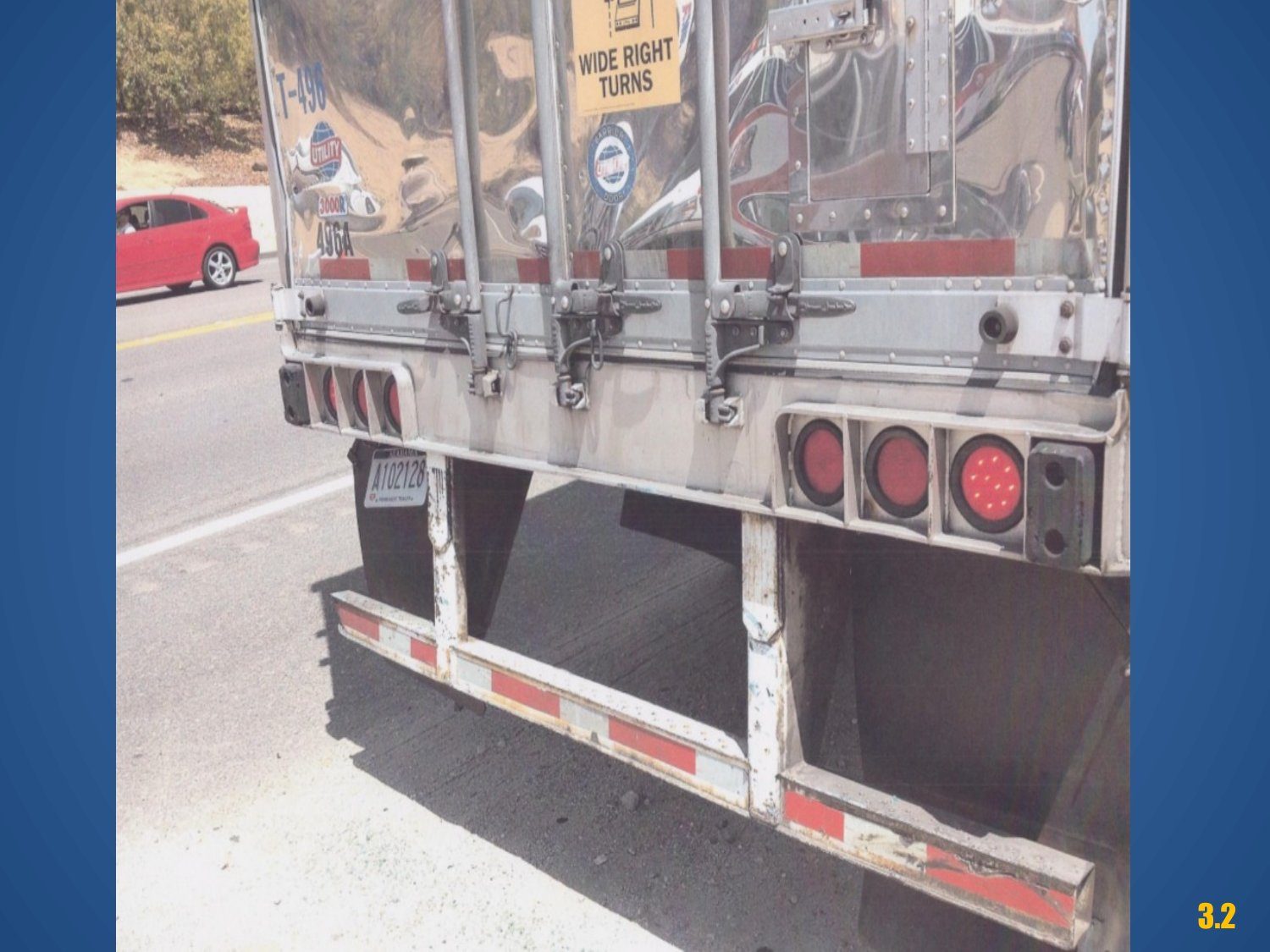
It might seem that a truck parked in broad daylight does not need the same warning devices as one parked at night, since visibility is not an issue in the way it would be after dark. But the legal significance of a driver's failure to deploy warning triangles extends well beyond the practical visibility question. It goes directly to whether the driver treated the stop as an emergency at all. In the underlying litigation, involving a tractor-trailer parked on a highway shoulder in daylight hours, the driver's failure to deploy any warning triangles became a critical piece of circumstantial evidence undermining his claim that he was responding to a genuine mechanical emergency. A driver who genuinely believes a mechanical problem could escalate follows a specific protocol: pull over as safely as possible, check gauges, assess the severity of the problem, and deploy warning devices to protect both the stopped vehicle and approaching traffic. The complete absence of any of these steps, no smoke check, no gauge inspection, no emergency call, and no warning triangles, told the jury that this was not how a driver responds to a real emergency.