Industrial Corridor Parking Liability California: Roadside Commerce and Truck Stops

Industrial corridor parking liability California litigation frequently involves a specific and recurring fact pattern: a rural or semi-rural highway that carries significant commercial truck traffic, positioned near roadside commerce such as fruit stands, truck stops, and gas stations, that gives drivers an incentive to pull over in locations never designed to safely accommodate a parked 40-ton vehicle. Understanding how these corridors create foreseeable danger, and how that foreseeability affects liability analysis, is critical to building a case when a parked commercial truck contributes to a highway collision.

55 to 65

Highway speeds that shrink a driver's reaction time in these corridors

6 months

Government claim deadline if highway design shares fault

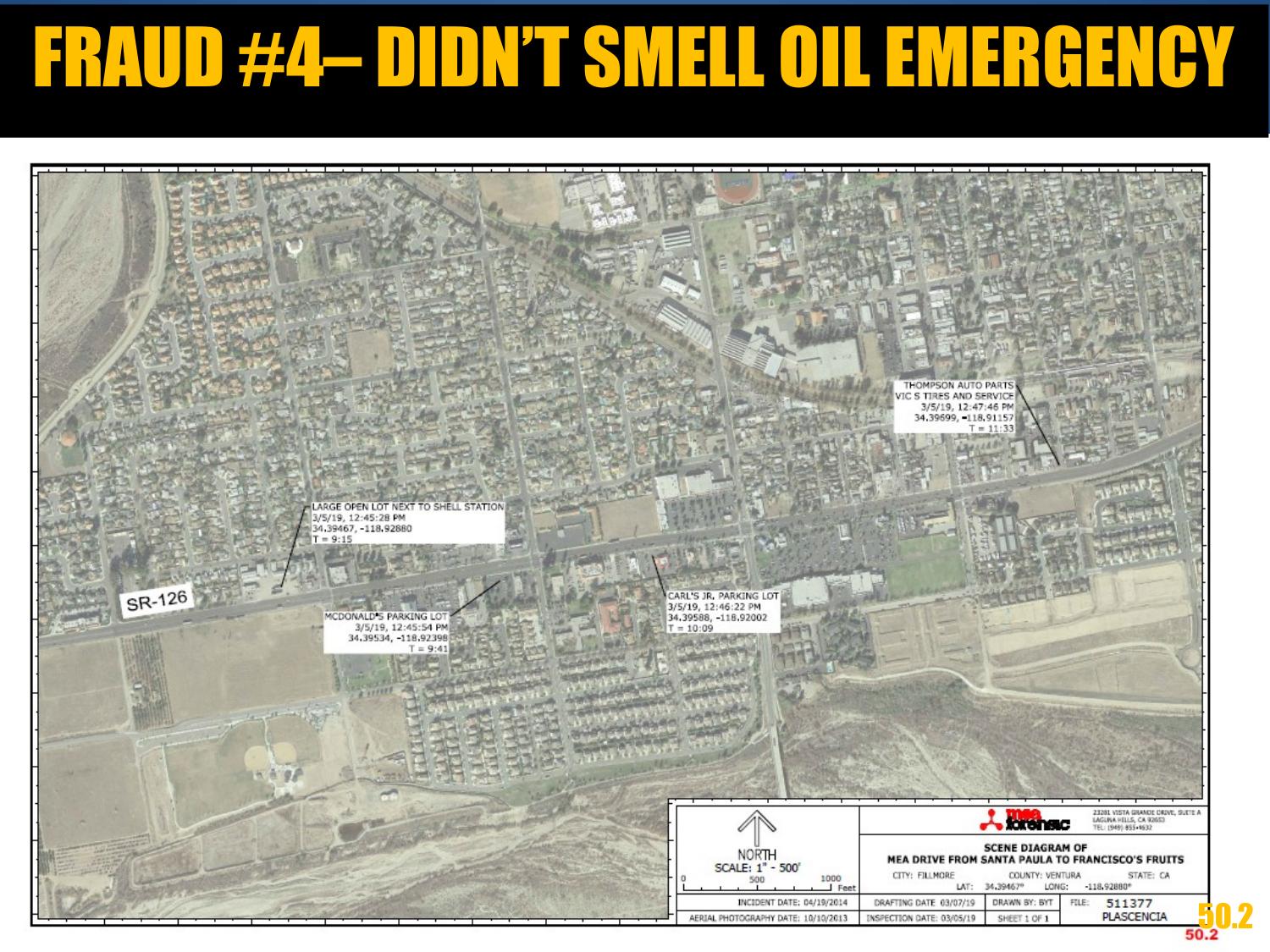
Industrial corridor parking liability California scene diagram of SR-126 near Francisco's Fruits

High-Speed Highways With Roadside Attractions

Many California highways carrying significant truck traffic run through rural and semi-rural areas where roadside fruit stands, produce markets, and other small commercial attractions sit close to the traveled way. These attractions are often legal, longstanding, and popular with both passenger vehicle drivers and commercial truck drivers looking for a quick stop. The problem arises when a highway's design, a narrow shoulder, high speed limits, and limited sightlines, does not safely accommodate a large commercial vehicle parking anywhere near that attraction. In the underlying litigation, the truck driver had stopped at a roadside fruit stand along a rural four-lane highway connecting two counties, a route regularly used by high-speed passenger vehicle traffic. The shoulder at that location provided only a narrow buffer, not remotely sufficient to safely accommodate an 80,000-pound tractor-trailer without creating a hazard, and the driver parked just three feet from the fog line.

Why Foreseeability Matters in These Cases

Foreseeability plays two distinct roles in an industrial corridor parking liability case. First, it supports the underlying negligence claim against the truck driver and his employer: a reasonable commercial driver, trained on defensive driving and roadside stop protocols, should recognize that parking on a narrow shoulder along a high-speed highway near a popular roadside attraction creates a foreseeable risk that another vehicle could strike the parked truck. Second, foreseeability defeats a common defense argument that the truck's presence was merely a passive condition rather than an active cause of the harm. California law rejects that framing when the parking location was foreseeably dangerous. Under CACI No. 430 on substantial factor causation, a defendant's conduct need not be the sole cause of an accident, only a substantial factor in bringing it about, and a truck parked in a foreseeably dangerous spot along a high-speed corridor readily satisfies that standard.

Industry Standards, Company Policy, and Highway Design

Route-specific company policy

Trucking companies operating through known industrial and agricultural corridors should have policies addressing where drivers may and may not stop for non-emergency purposes. When a company has no such policy, as discovery revealed here, that absence becomes independent evidence of negligent training and supervision.

Speed differential versus urban parking

A driver traveling at 55 to 65 miles per hour has dramatically less time and stopping distance to avoid a parked obstruction than a driver in slow city traffic, which is why collisions with a stationary heavy truck at highway speed routinely produce catastrophic or fatal injuries.

Investigating the highway design itself

Where a shoulder was narrower than applicable design standards for a high-speed, high-truck-volume corridor, a government entity responsible for the roadway's design or maintenance may share liability, subject to a six-month government claims deadline under Government Code section 911.2.

How Foreseeability Applied Here

Litigation growing out of a fatal Ventura County highway crash tied to a roadside fruit stand demonstrates how corridor factors combine to establish foreseeability and defeat a defendant's argument that a parked truck was merely an incidental, non-causal presence.

Theory pleaded
Jury finding
Corridor type
Rural four-lane highway connecting two counties, high-speed traffic
Attraction drawing the stop
Roadside fruit stand with only a narrow shoulder
Parking position
Three feet from the fog line, within the danger zone
Causation theory that prevailed
Substantial factor under CACI No. 430, not a passive condition

Keep Reading

Related breakdowns from this case and our trucking practice.

Back to Case Studies

Referring a corridor trucking case?

We evaluate industrial corridor trucking referrals as counsel or co-counsel and pay statutory referral fees.

Refer a case

Frequently Asked Questions

What is an industrial corridor in the context of truck parking liability?

An industrial corridor generally refers to a highway carrying significant commercial truck traffic, often through rural or semi-rural areas with roadside commerce such as fruit stands or truck stops that create an incentive for drivers to make non-emergency stops in locations not designed for large vehicles.

Can a truck's stationary presence be considered a cause of a crash?

Yes, California law recognizes that a parked vehicle can be a substantial factor in causing a collision when its location was foreseeably dangerous, even though the truck itself was not moving at the time of impact.

Can a government entity share liability for a highway's design in these cases?

Yes, if the highway shoulder was narrower than applicable design standards for a high-speed, high-truck-volume corridor, a government entity responsible for the roadway's design or maintenance may share liability, subject to the six-month government claims deadline.

Skip to content