California Drug Facility Injury Case: Defeating Arbitration After a Preventable Death

This California drug facility injury case tells a story that unfolds in two parts. The first is a tragedy: a 26-year-old man died by suicide while under the care of a residential drug and alcohol treatment facility that was supposed to keep him safe. The second is a fight over whether his parents would ever get to tell his story to a jury at all. This page focuses on that second part, a published appellate ruling that stripped away the facility's attempt to force the case into private arbitration.

3

Independent grounds the arbitration clause was defeated on

Published

Fourth District appellate opinion other attorneys can cite

2022

Year the Court of Appeal affirmed the trial court

See our verdicts and settlements
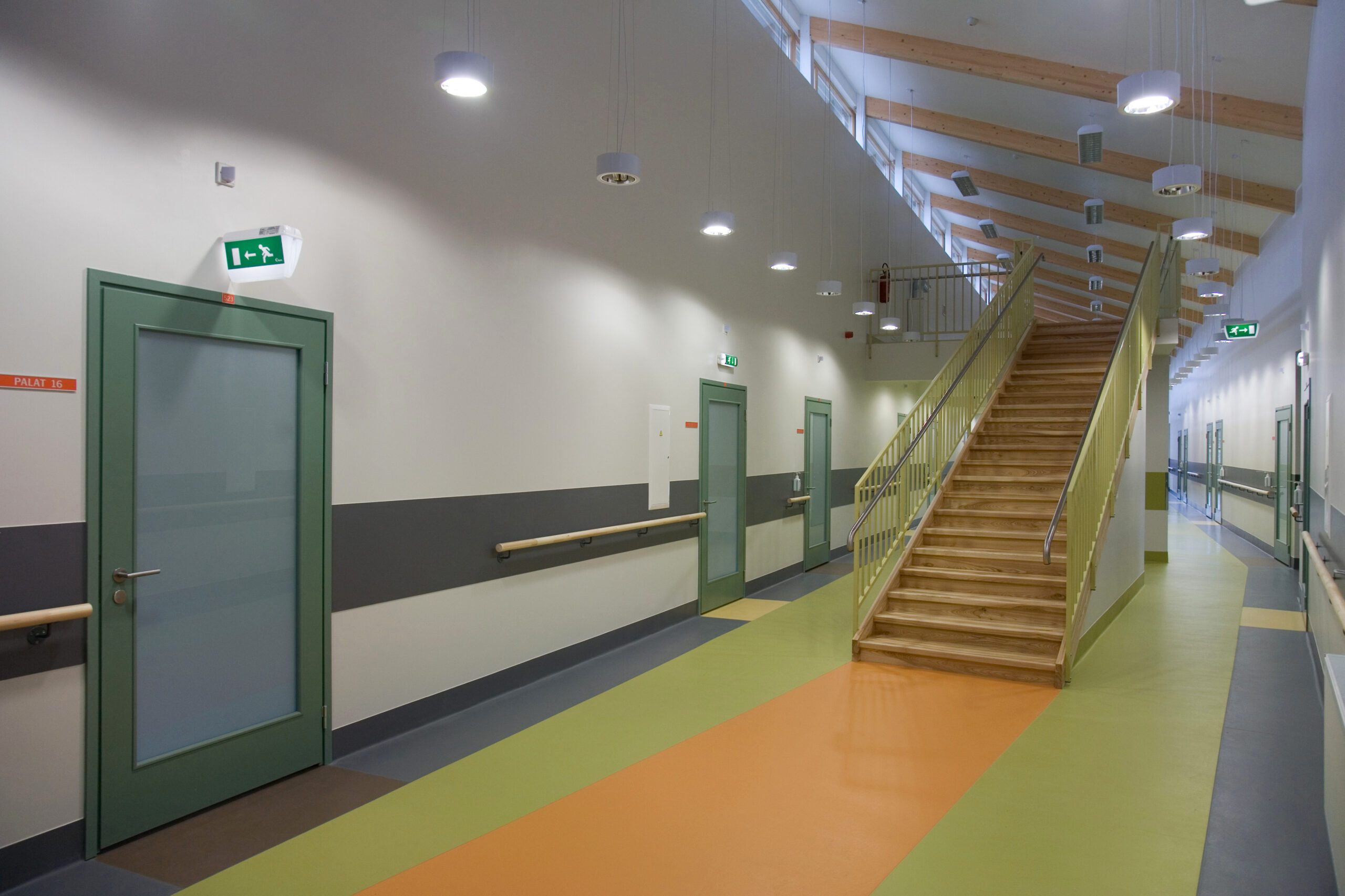
Residential treatment facility relevant to the California drug facility injury case appellate ruling
A residential drug, alcohol, and mental health treatment facility owes a custodial duty to patients admitted for their own safety.

What Happened

Our client was a 26-year-old man admitted to Sovereign Health of San Clemente, a residential drug, alcohol, and mental health treatment facility operated by Dual Diagnosis Treatment Center, Inc. He died by suicide on March 8, 2018, while under the facility's care. His parents brought claims for wrongful death, dependent adult abuse and neglect, and negligence against the facility. That underlying case remains pending. This hub addresses a separate, published appellate decision arising from it, not a trial verdict or settlement.

What the Facility Did to Avoid a Jury

Before the family could get their claims in front of a jury, the facility moved to compel arbitration, relying on an arbitration agreement it said our client had signed at admission. The trial court denied the motion, and the facility appealed. On April 19, 2022, the Court of Appeal, Fourth Appellate District, Division Three, affirmed the trial court's ruling in a published opinion, on three independent grounds.

How The Homampour Law Firm Defeated the Arbitration Clause

With the trial court's denial affirmed, the Court of Appeal rested its decision on three separate grounds, any one of which was enough on its own.

Procedural unconscionability

The court found the arbitration agreement procedurally unconscionable. It was presented as a contract of adhesion at admission, at a moment when our client's mental state was fragile and he could not focus on anything for more than ten to twenty seconds at a time. He was never given a copy of the outside arbitration rules the agreement referenced and incorporated.

Substantive unconscionability

The court found the agreement substantively unconscionable, describing its terms as significantly harsh and one-sided. The agreement included a release of claims, a fee-shifting provision that could expose the family to the facility's costs, a shortened limitations period for bringing claims, restrictions on discovery, and a gag clause.

Who decides arbitrability

The court held that the trial court, not an arbitrator, was the correct body to decide whether the dispute was even arbitrable in the first place, because our client had never received a copy of the referenced arbitration rules that would otherwise have delegated that threshold question to an arbitrator.

Having found all three defects, the Court of Appeal went further and refused to sever the offending provisions or otherwise blue-pencil the agreement into something enforceable. The entire arbitration agreement was thrown out. Appellate co-counsel Jeffrey I. Ehrlich of the Ehrlich Law Firm worked alongside our office on the appeal.

Why This Published Opinion Matters

The decision, Nelson v. Dual Diagnosis Treatment Ctr., Inc., 77 Cal.App.5th 643 (2022), Case No. G059565, is now a published opinion that other plaintiffs' attorneys across California can cite when challenging similarly one-sided arbitration agreements imposed on vulnerable patients at treatment facilities. The underlying wrongful death and negligence case remains pending. We do not report a settlement or verdict figure here because none exists yet. Prior results do not guarantee a similar outcome, and The Homampour Law Firm handles matters like this on a contingency fee basis.

Why This California Drug Facility Injury Case Matters for Your Situation

If a loved one was harmed or died while in the care of a residential treatment facility, and the facility is now pointing to an arbitration agreement signed at admission, do not assume that agreement is enforceable. Courts scrutinize arbitration agreements imposed on patients who were in a fragile mental or physical state at the moment of signing, particularly when the patient was never given a meaningful opportunity to read, understand, or negotiate the terms. Pay close attention to what the agreement actually says. Provisions that shift costs onto the family, shorten the time allowed to bring a claim, restrict access to evidence through discovery, or prohibit discussing the case can all support a finding that the agreement is substantively unconscionable and therefore unenforceable. And if the agreement references outside rules without ever giving the patient an actual copy of them, that omission can support an argument that a court, not a private arbitrator, should decide whether the dispute belongs in arbitration at all.

Theory pleaded
Jury finding
Procedural unconscionability
Adhesion contract signed while the patient could not focus for more than ten to twenty seconds
Substantive unconscionability
Release, fee-shifting, shortened limitations, discovery limits, and a gag clause
Who decides arbitrability
The court, because the referenced arbitration rules were never provided
Severance
Refused; the entire arbitration agreement was thrown out

How This Case Was Built, Topic by Topic

The breakdowns below cover the custodial duty a residential facility owes at-risk patients, how California Title 9 regulations establish the standard of care, and how state licensing and regulator records build the compliance history behind a facility case.

Referring a treatment facility injury or death case?

We try catastrophic injury and wrongful death cases against residential treatment facilities as counsel or co-counsel and pay statutory referral fees.

Refer a case

Frequently Asked Questions

What happened in this California drug facility injury case?

Our client, a 26-year-old man, died by suicide on March 8, 2018 while under the care of Sovereign Health of San Clemente, a residential drug, alcohol, and mental health treatment facility. His parents brought wrongful death, dependent adult abuse and neglect, and negligence claims, which remain pending.

What did the Court of Appeal decide?

On April 19, 2022, the Court of Appeal affirmed the trial court's denial of the facility's motion to compel arbitration, in a published opinion finding the arbitration agreement both procedurally and substantively unconscionable, and holding that the court, not an arbitrator, should decide arbitrability.

Is this a published or unpublished opinion?

This is a published opinion, Nelson v. Dual Diagnosis Treatment Ctr., Inc., 77 Cal.App.5th 643 (2022), meaning other courts and attorneys throughout California can cite it as legal authority.

Skip to content