
California Property Owner Duty of Care to Invitees and Long-Term Residents

California property owner duty analysis begins with Civil Code section 1714, which establishes the general obligation that everyone is responsible for injury caused by their want of ordinary care in the management of their property. In the premises liability context, courts have translated this general duty into specific, well-established obligations that attorneys should systematically address in every case involving a defective condition, from inspection and repair to warning visitors of hazards that cannot be fixed right away.

1714

Civil Code section establishing the general duty of ordinary care

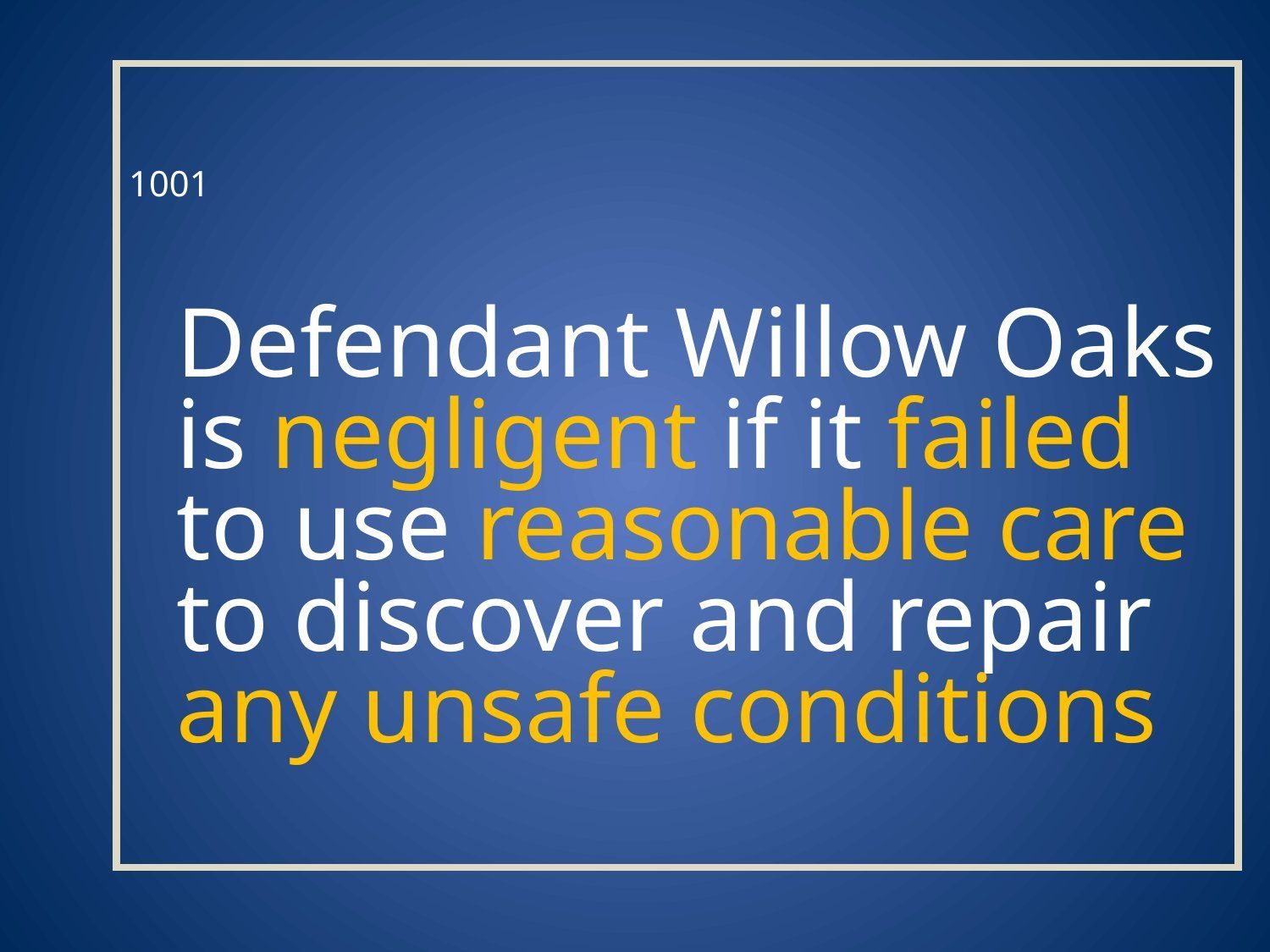
1001

CACI instruction listing the dangerous condition factors a jury weighs

California property owner duty exhibit showing the dangerous condition negligence standard for premises claims

The Core Elements of the Duty

A property owner's duty of reasonable care includes inspecting the property with reasonable regularity to discover hazardous conditions, repairing known defects within a reasonable time, and warning visitors of hazards that cannot be immediately repaired. CACI No. 1001 sets out the specific factors a jury must weigh in a dangerous condition of property claim: whether the defendant owned, leased, occupied, or controlled the property, whether the defendant knew or reasonably should have known of the condition, whether the condition created an unreasonable risk of harm, and whether the defendant failed to repair the condition, protect against harm, or give adequate warning.

Actual Versus Constructive Notice

Establishing that a property owner had notice of a hazard is often the single most contested element in premises litigation. Actual notice exists when the owner or an employee directly observed or was informed of the condition. Constructive notice exists when the condition existed long enough, or was obvious enough, that a reasonably diligent property owner should have discovered it through routine inspection. Evidence of a prior owner's documented recognition of a specific hazard, including internal maintenance records, prior repair estimates, or witness testimony describing when a defect first appeared, is often the most powerful notice evidence available, because it establishes not just that the condition existed but that a responsible party had actually turned their attention to it and failed to act.

Turning an Abstract Duty Into Trial Evidence

The cost-benefit analysis jurors perform

Jurors evaluating a dangerous condition claim naturally weigh how difficult and expensive it would have been to fix the hazard against the severity of harm it could foreseeably cause. Obtaining a specific repair cost estimate, even a modest one, and contrasting it against the catastrophic potential consequences gives jurors a concrete, non-technical basis for finding that inaction was unreasonable.

Elevated foreseeability for vulnerable populations

Where an owner knows that a significant portion of its visitors or residents are elderly, disabled, or otherwise more vulnerable to a given hazard, that knowledge raises the foreseeability of harm and the reasonableness expected of the owner's precautions. Demographic evidence, occupancy records, and even internal marketing materials can establish this elevated foreseeability.

Documenting the duty analysis for trial

Effective presentation combines lay testimony about the physical condition, documentary evidence of prior knowledge or planned repairs, and a safety engineering expert who can confirm the condition was dangerous and articulate specific, low-cost remedial measures the owner could have taken.

How the Duty Framework Fits Together

The duty analysis moves in a straight line jurors can follow, from the source of the obligation to the owner's knowledge and its failure to act.

Theory pleaded
Jury finding
Source of the duty
Civil Code section 1714, general duty of ordinary care
Jury factors
CACI No. 1001 dangerous condition elements
Notice
Actual knowledge or constructive discovery through inspection
Foreseeability
Elevated when the owner knows its population is vulnerable

Keep Reading

Related breakdowns from this case and our premises liability practice.

Back to Case Studies

Referring a dangerous condition case?

We take premises liability and dangerous condition cases as counsel or co-counsel and pay statutory referral fees.

Refer a case

Frequently Asked Questions

What is the basic legal duty a property owner owes to visitors in California?

Under Civil Code section 1714 and CACI No. 1001, a property owner must use reasonable care to inspect for hazards, repair known dangerous conditions, and warn visitors of hazards that cannot be immediately fixed.

What is the difference between actual and constructive notice?

Actual notice means the owner or an employee directly knew about the hazard, while constructive notice means the hazard existed long enough or was obvious enough that a reasonably diligent inspection should have discovered it.

Does a property owner have a heightened duty toward elderly or disabled visitors?

Yes, when an owner knows a substantial portion of its visitors or residents are elderly or otherwise vulnerable, that knowledge increases the foreseeability of harm and the level of care expected in maintaining the property.

Skip to content