
Government Code 835 Elements California Claims Require

Government Code 835 elements California plaintiffs must prove are the foundation of every claim against a state agency, county, city, or special district for an injury caused by unsafe public property. The statute sets a four-part test, and a plaintiff who cannot satisfy every part loses the case regardless of how serious the injury is. This page walks through each element, the burden of proof behind it, and how the four work together in litigation.

4

Elements a Government Code section 835 claim must prove to reach a jury

835

Government Code section governing public entity dangerous condition liability

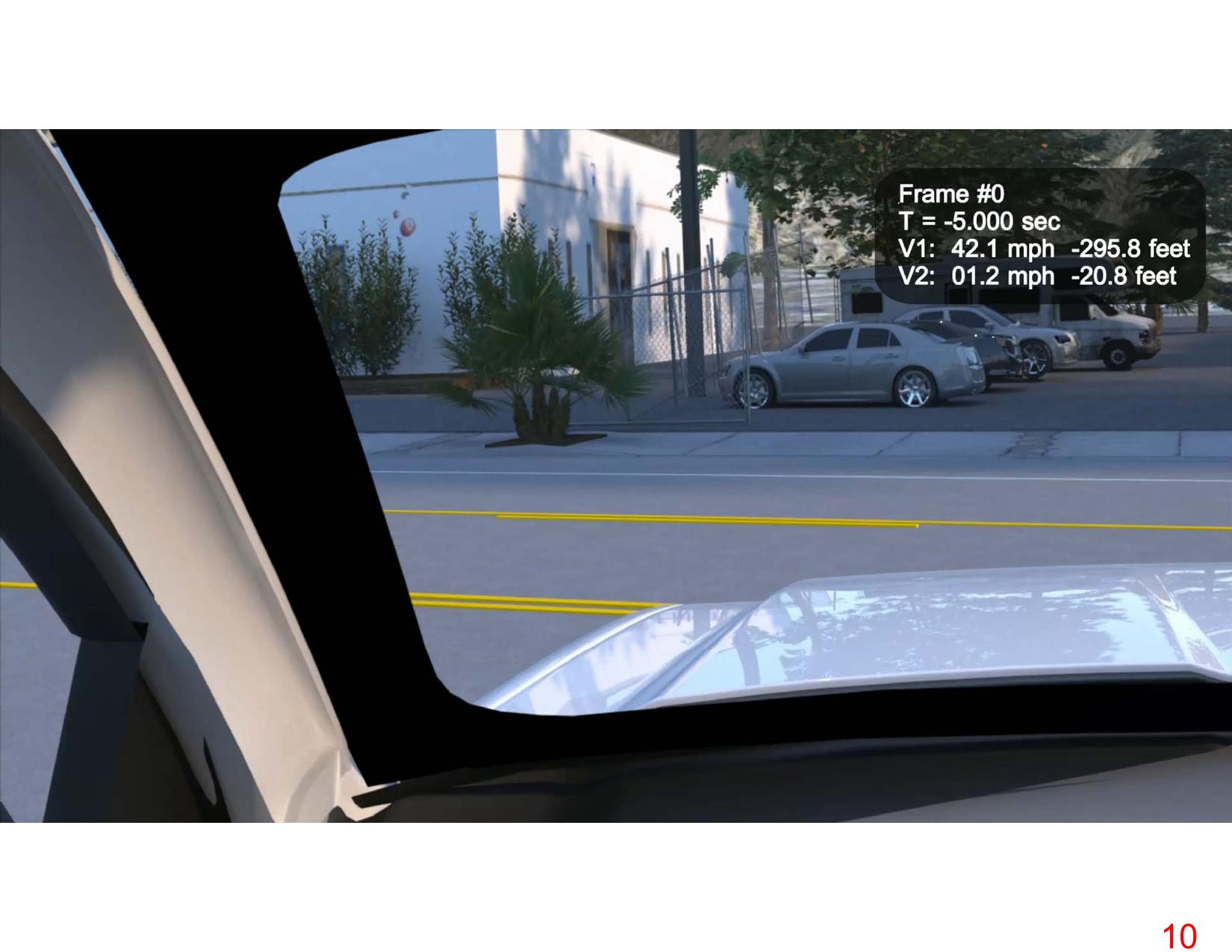
Government Code 835 elements California driver point of view illustrating a dangerous condition analysis

The Statute and Its Four-Part Test

Government Code section 835 states that a public entity is liable for an injury caused by a dangerous condition of its property if the plaintiff proves the property was in a dangerous condition at the time of the injury, the injury was proximately caused by that condition, the condition created a reasonably foreseeable risk of the kind of injury that occurred, and either a public employee negligently created the condition or the entity had actual or constructive notice of it in time to protect against it. Each of the four elements is a separate factual question, and the defense will contest all four in almost every case.

How the Burden of Proof Works

The plaintiff bears the burden of proving all four elements by a preponderance of the evidence, the standard civil burden of more likely than not, applied to every element independently. A plaintiff who proves three elements convincingly but falls short on the fourth loses the entire case. That all-or-nothing structure is why early investigation and complete discovery matter so much, since waiting to build the notice record often means critical repair logs or complaint records have already been purged under a routine retention schedule.

The Four Elements in Practice

The four elements do not operate in isolation. A strong showing on one often shapes another: a long-standing defect relevant to constructive notice also supports an inference that the condition was well known and obviously dangerous. Defense strategy typically targets whichever element is the weakest link, and entities frequently concede a condition was dangerous while contesting causation or notice, because notice is the hardest element to prove without the entity's internal records.

A dangerous condition at the time of injury

Government Code section 830 defines a dangerous condition as one creating a substantial risk of injury when the property is used with due care in a reasonably foreseeable manner. This is a higher bar than simple negligence; a minor or trivial defect does not qualify, and courts weigh the totality of the circumstances.

Proximate causation and foreseeable risk

The condition must be a substantial factor in bringing about the specific injury, and it must create a reasonably foreseeable risk of the general kind of injury that occurred. The entity need not have foreseen the precise accident, only the general type of harm.

Creation or notice

The plaintiff can prove either that a public employee negligently created the condition, which alone supplies fault, or that the entity had actual or constructive notice under Government Code section 835.2 in time to protect against it.

Building the Record Early

Because element four so often decides these cases, counsel should move quickly to lock in the proof before routine document destruction can erase it.

Theory pleaded
Jury finding
Litigation hold and preservation
Directed at the entity to secure maintenance and complaint records
Dangerous condition
Established with engineering and site-inspection evidence
Notice
Actual or constructive, proven from the entity's own records
Burden
All four elements by a preponderance of the evidence

Keep Reading

Related doctrine breakdowns tied to this case.

Back to Case Studies

Referring a public entity case?

We take dangerous condition and catastrophic injury cases as counsel or co-counsel and pay statutory referral fees.

Refer a case

Frequently Asked Questions

What are the four elements of a Government Code 835 claim?

The four elements are a dangerous condition at the time of injury, proximate causation, a reasonably foreseeable risk of the kind of injury that occurred, and either negligent creation by a public employee or actual or constructive notice.

Do I have to prove all four elements to win?

Yes. Failure to prove any single element defeats the entire claim, regardless of how strong the proof is on the other three.

What counts as a dangerous condition?

A condition that creates a substantial, not merely minor or trivial, risk of injury when the property is used with due care in a reasonably foreseeable manner, as defined by Government Code section 830.

Skip to content