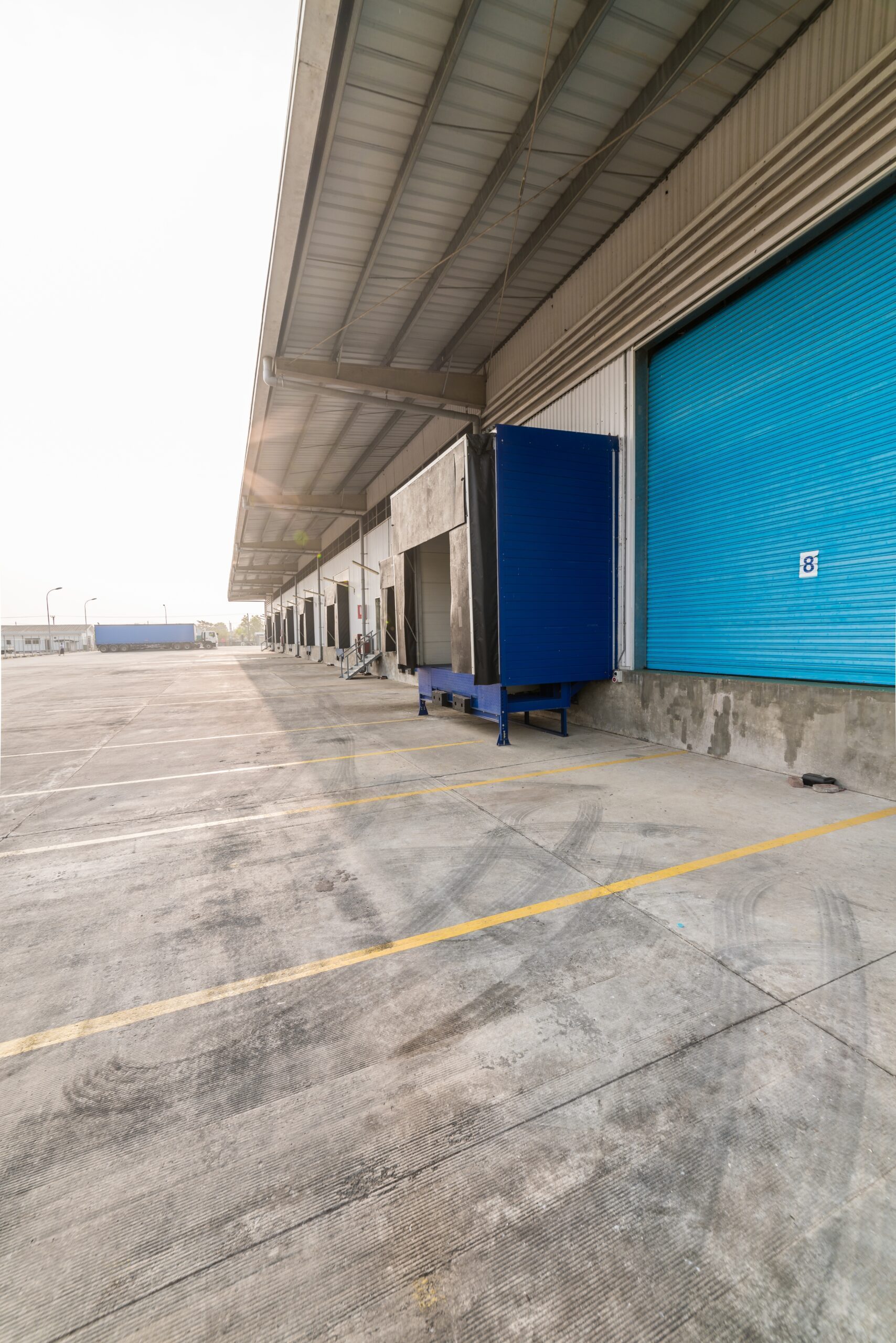
While California does not have a single loading dock safety statute equivalent to the trucking industry's federal regulations, industry standards published by organizations such as OSHA's general industry safety guidance and loading dock equipment manufacturers provide persuasive evidence of the standard of care a reasonable retailer should follow. Evidence that a retailer failed to install commonly available safety equipment already used at its other locations, similar to how courts treat notice evidence in other premises cases, can be a powerful way to establish that the retailer knew about the hazard and had a practical, low-cost solution available but did not implement it at the location where the injury occurred. Beyond store-specific policies, industry safety standards focused on warehousing and logistics often establish widely recognized best practices for loading dock design and operation, including recommended dock lock and wheel chock systems, communication protocols between drivers and dock personnel, and pedestrian exclusion zones during active loading and unloading. When a retailer's own practices fall short of these widely recognized standards, that gap can support both a negligence claim and, in some instances, a negligence per se argument if a specific applicable regulation was violated.