Truck Driver Retail Liability California: The Dual-Defendant Strategy

Truck driver retail liability California cases require attorneys to think in terms of two separate, and sometimes overlapping, theories of fault operating at the same time: the driver's own negligent operation of the vehicle, and the retailer's independent premises liability for failing to maintain a safe loading area. Treating the case as a single-defendant matter, whichever party seems more clearly at fault at first glance, risks leaving significant insurance coverage and a stronger comparative fault position on the table.

2

Independent duties in play, the driver's and the retailer's

49 CFR

Federal Motor Carrier Safety Regulations that can apply to the carrier

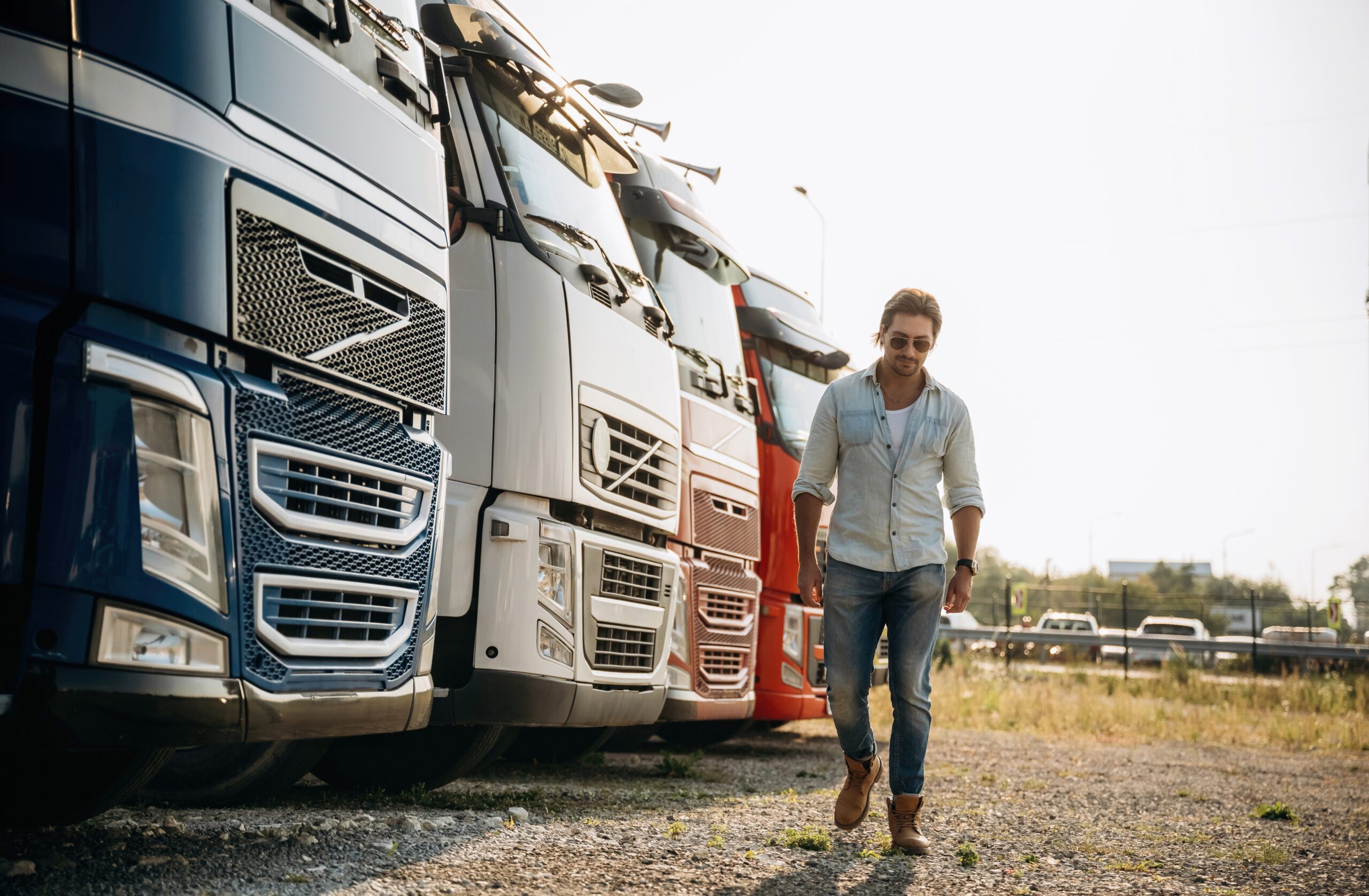
Delivery truck driver and retail store manager illustrating truck driver retail liability California

Two Independent Duties, Two Potential Defendants

A delivery driver backing a truck into a retail loading dock owes an independent duty of reasonable care in operating the vehicle, including proper use of mirrors and spotters, sounding required backup warnings, and confirming the area is clear before moving. That duty exists regardless of what safety equipment the retailer has or has not installed. Separately, the retailer that owns and controls the loading dock owes a premises liability duty under Civil Code section 1714 to maintain the dock area in reasonably safe condition, including providing adequate safety equipment and warning systems. These are legally independent duties, and a breach of one does not excuse a breach of the other.

Comparative Fault Allocation Between Driver and Retailer

California's comparative fault system allows a jury to apportion percentages of fault between a negligent driver and a negligent retailer based on each party's contribution to causing the injury. In practice, this means plaintiff's counsel should develop evidence supporting fault against both potential defendants even where one appears more obviously at fault, since a jury's ultimate allocation can shift meaningfully based on the trial evidence, and pursuing both defendants preserves the full range of available insurance coverage regardless of how fault is eventually divided.

Coordinating a Two-Defendant Case

Employer liability for the driver

If the driver was operating the truck within the scope of employment for a trucking or delivery company, that employer can be held vicariously liable for the driver's negligence under respondeat superior principles. Where federal trucking regulations apply, the Federal Motor Carrier Safety Regulations governing driver qualification, hours of service, and vehicle maintenance provide an additional basis for a negligence per se theory if the driver or carrier violated a specific safety standard.

Sequencing the investigation

Because a retail loading dock incident typically involves two separate corporate defendants with separate insurance carriers, counsel should send preservation letters to both the retailer and the trucking or delivery company immediately upon retention. Store surveillance footage is often subject to short retention windows, while the trucking company's own dashcam, telematics, and driver qualification files carry their own separate risk of routine deletion.

Settlement and trial dynamics

Litigating against two defendants with potentially adverse interests can work in a plaintiff's favor, since each defendant's own evidence and argument against the other often does much of the plaintiff's work in establishing that both were negligent. A defendant facing a strong argument that a co-defendant bears greater fault may be more motivated to resolve early rather than risk its exposure being argued upward at trial.

Keep Reading

Related breakdowns from this case and our vehicle and premises injury practice.

Back to Case Studies

Referring a two-defendant loading dock case?

We take vehicle and premises injury cases involving trucking companies and retailers as counsel or co-counsel and pay statutory referral fees.

Refer a case

Frequently Asked Questions

Can both the truck driver's employer and the retailer be sued for the same loading dock injury?

Yes, the driver's negligent operation of the vehicle and the retailer's failure to maintain a safe loading area are legally independent theories, and both parties can be pursued simultaneously.

How does comparative fault work when two different companies are involved?

A jury can apportion percentages of fault between the driver's employer and the retailer based on each party's contribution to the injury, and pursuing both defendants preserves the full range of available insurance coverage.

What federal regulations might apply if the driver works for a trucking company?

The Federal Motor Carrier Safety Regulations governing driver qualification, hours of service, and vehicle maintenance may apply and can support a negligence per se theory if violated.

Skip to content