
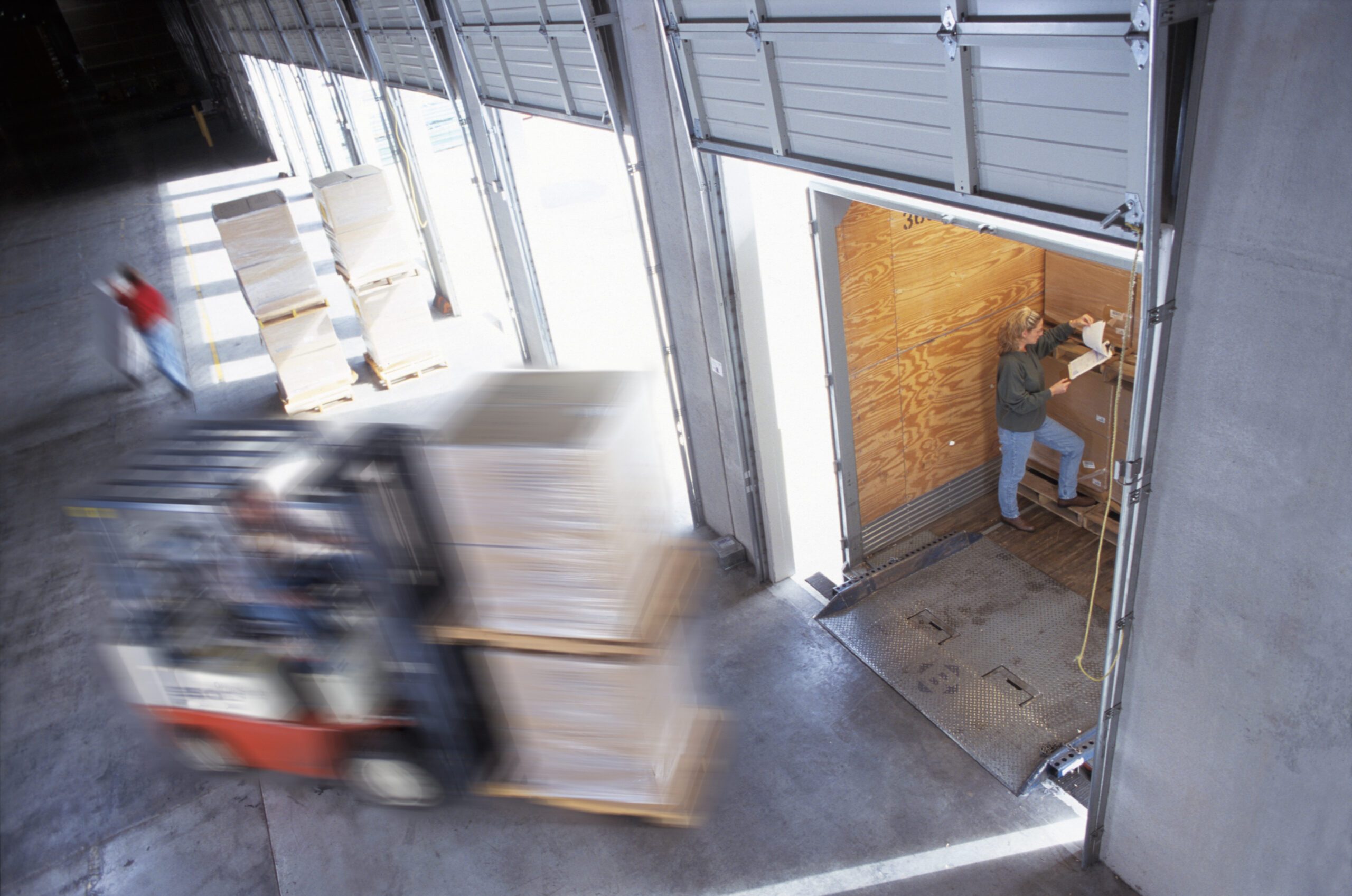
Retail Loading Dock Injury Case: Proving Fault Against a Retailer and Driver

A retail loading dock injury case sits at the intersection of two industries that do not always coordinate as carefully as they should: the trucking company delivering goods and the retailer receiving them. Loading docks are busy, often chaotic work areas where delivery trucks maneuver in tight spaces, pallets and hand trucks move constantly, and store employees, delivery drivers, and sometimes customers cross paths in an area that was never designed with pedestrian safety as the top priority. When that coordination breaks down, the result is often a serious injury caused jointly by a careless driver and a retailer that failed to maintain a safe loading area. This case study explains how a retail loading dock injury case gets investigated and built, including why both the truck driver and the retail company are often necessary defendants.

2

Parties who often share fault, the retailer and the trucking company

30 days

How soon store surveillance video can be automatically overwritten

No fee

Unless there is a recovery, on a contingency fee basis

See our verdicts and settlements
Delivery truck backed into a retail loading dock illustrating a retail loading dock injury case
A delivery truck backing into an elevated retail dock, the kind of tight, high-traffic area where a careless maneuver and missing safety equipment can combine to cause serious injury.

The Harm

Loading dock injuries tend to be severe because of the forces involved. A person struck by a reversing truck, crushed between a truck and a dock wall, or caught by shifting pallets or falling merchandise can suffer fractures, crush injuries, traumatic brain injury, or worse. Because loading docks are often elevated above ground level to match truck bed height, falls from the dock platform itself add another serious injury mechanism, sometimes resulting in significant drops onto concrete or pavement. The people injured in these incidents are not always store employees. Delivery drivers, contractors, and even customers who wander into a loading area can be hurt, and each category of injured person may have different legal avenues available depending on their relationship to the property and to any employer involved.

What the Retailer and Driver Failed to Do

Retail loading docks require basic safety infrastructure: wheel chocks or dock locks to prevent a parked truck from rolling, warning lights or barriers to signal when a truck is backing in, clear sightlines or spotters for drivers backing into tight spaces, and reasonably maintained dock plates and edge protection to prevent falls. When a retailer fails to maintain this basic infrastructure, or fails to train employees on loading dock safety protocols, that failure can constitute negligence separate from anything the truck driver did. At the same time, a truck driver backing into a loading area has an independent duty to use reasonable care, including using a spotter or mirrors properly, sounding a backup alarm, and confirming the area is clear before moving. Many loading dock injuries involve failures on both sides: a driver backing too quickly or without adequate visibility, combined with a retailer that never installed basic dock safety equipment or never trained staff to stay clear of a marked hazard zone.

How The Homampour Law Firm Builds the Case

The investigation moves fast and works several tracks at once, because the most valuable evidence is often the first to disappear.

Secure the surveillance video first

Investigating a loading dock injury starts with securing any video footage from store security cameras, which many retailers only retain for a limited period before automatic deletion. Surveillance footage of the loading dock area, if it exists, is frequently the single most valuable piece of evidence in the case, since it can show exactly how the incident unfolded, whether safety equipment was in use, and whether store employees or the driver violated any safety protocol.

Examine safety policies and records

Beyond video, an investigation should examine the retailer's own safety policies and training materials for loading dock operations, any prior incident reports involving the same dock, and the driver's employment and safety record. If the truck was owned by a trucking or delivery company separate from the retailer, that company's own policies, driver qualification files, and any applicable federal safety regulations become relevant as well.

Pursue every liable party and insurer

Because a retail loading dock injury often involves two potentially liable parties with separate insurance coverage, one for the retailer and one for the trucking company, identifying and pursuing both defendants can significantly affect the total recovery available.

Acting quickly matters most because surveillance footage retention windows are often short, sometimes as brief as thirty days, and once that footage is overwritten one of the most valuable pieces of evidence is gone permanently.

Coordinating Claims Against Multiple Defendants

A loading dock injury case frequently requires managing parallel claims against defendants with different incentives and different insurers. The retailer's insurer may argue the truck driver was entirely at fault for backing unsafely, while the trucking company's insurer may argue the retailer's dock was poorly designed or unsupervised. Rather than treating this disagreement as an obstacle, an experienced trial team uses it, since each defendant's own evidence and expert analysis blaming the other party can end up corroborating the plaintiff's theory that both parties share responsibility. Careful sequencing of depositions and document requests across both defendants helps ensure that neither side's finger-pointing goes unexploited.

How These Cases Resolve

Every loading dock case depends on its own facts: the severity of the injury, the strength of the video and documentary evidence, and how clearly the investigation establishes fault on the part of the retailer, the driver, or both. Prior results do not guarantee a similar outcome. Cases can resolve through settlement negotiations with one or both defendants, or proceed to trial if a fair resolution cannot be reached. If you were injured at a retail loading dock, whether you were a store employee, a delivery worker, or a bystander, do not assume the incident was simply an unavoidable accident. Ask whether basic safety equipment, like wheel chocks or warning barriers, was in place and functioning, and ask whether the store has security footage of the incident that needs to be preserved before it is automatically deleted. The Homampour Law Firm handles retail loading dock injury cases on a contingency fee basis, meaning no upfront cost and no fee unless a recovery is obtained.

Theory pleaded
Jury finding
The retailer's duty
Maintain dock safety equipment and train staff on loading dock protocols
The driver's duty
Use a spotter or mirrors, sound a backup alarm, and confirm the area is clear
Fault apportionment
California can divide fault between the retailer and the driver
Client cost
No upfront cost and no fee unless there is a recovery

How This Case Is Built, Topic by Topic

The breakdowns below cover California loading dock safety and the retailer's premises duty, truck driver retail liability and the dual-defendant strategy, and the commercial video preservation protocol that protects the single most decisive piece of evidence.

Referring a retail loading dock injury?

We try premises and vehicle injury cases against retailers and trucking companies as counsel or co-counsel and pay statutory referral fees.

Refer a case

Frequently Asked Questions

Who can be held responsible in a retail loading dock injury case?

Depending on the facts, responsibility can fall on the retailer that owns or controls the loading dock, the trucking or delivery company whose driver was involved, or both, since each may have independently failed to meet a duty of care.

How long does a store typically keep surveillance video?

Retention periods vary widely by retailer, but many stores automatically overwrite security footage within 30 to 90 days, making it critical to send a preservation request as soon as possible after an injury.

How is fault divided between a careless driver and an unsafe retailer?

California allows fault to be apportioned between multiple responsible parties based on each party's contribution to the injury, so a driver's negligent backing and a retailer's failure to maintain safety equipment can both be found to have contributed to the harm.

Skip to content