Landlord Electrocution Liability California: Defeating the Open and Obvious Defense

The single most common defense raised in landlord or commercial property electrocution cases is the open and obvious doctrine, the argument that an overhead power line is a visible hazard that any reasonable person should have noticed and avoided, relieving the property owner of any duty to warn or protect against it. This defense sounds intuitively strong to a jury hearing it for the first time. It is also frequently wrong, and understanding exactly why is central to effective landlord electrocution liability California litigation.

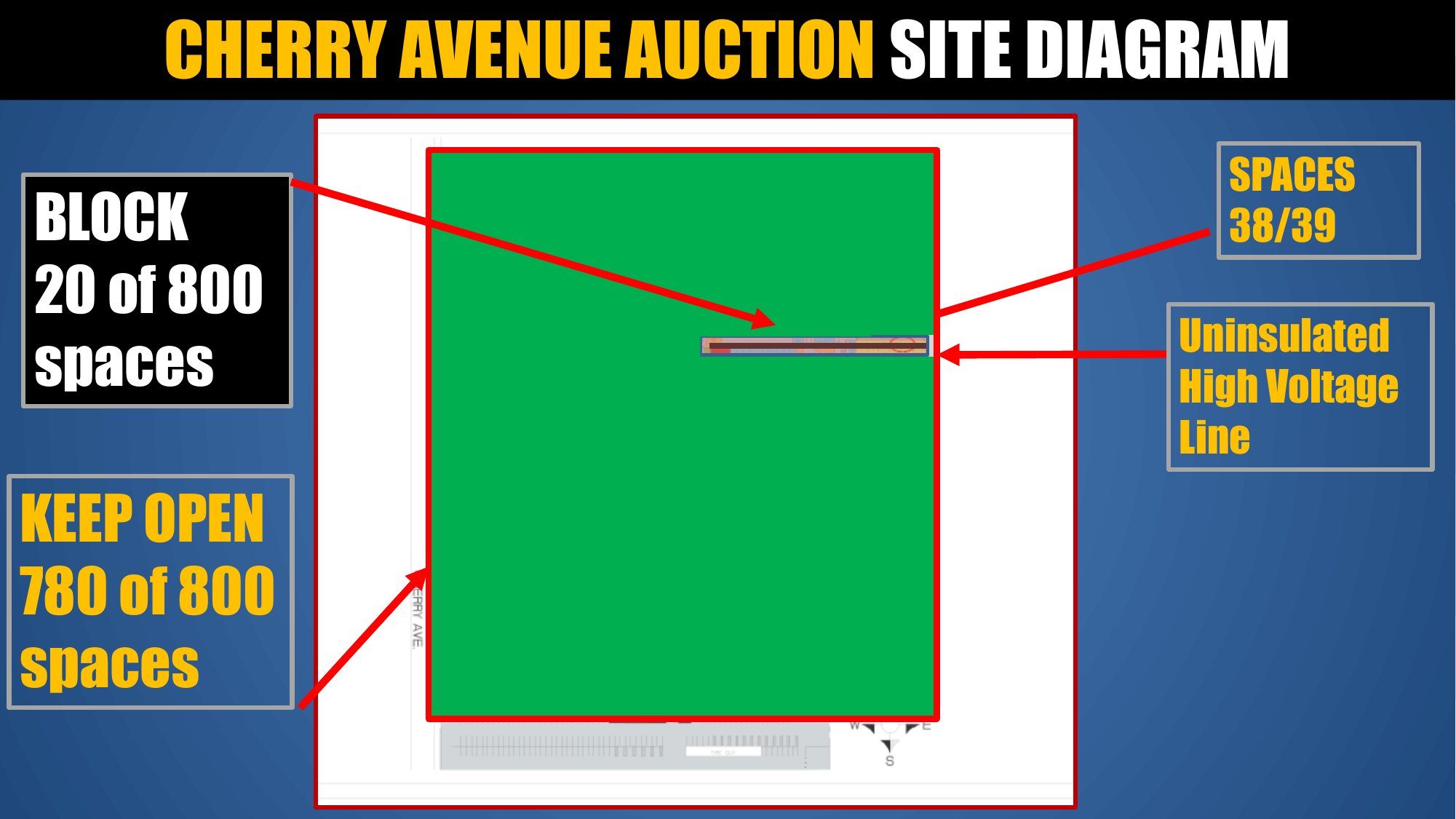
20 of 800

Vendor spaces beneath the line versus the property's total spaces

34 ft

Pole the property still allowed at the same spot after the death

Landlord electrocution liability California site diagram showing 20 vendor spaces under the power line versus 780 safe spaces

The Open and Obvious Doctrine and Its Actual Legal Limits

California premises liability law recognizes that a property owner's duty to warn of a dangerous condition can be reduced or eliminated where the condition is so obvious that an invitee should reasonably be expected to observe and avoid it on their own. This doctrine, however, is not absolute, and California courts have recognized that even an objectively visible hazard does not automatically qualify as open and obvious if a property owner should still have anticipated that people would fail to notice or fully appreciate the danger despite its visibility, particularly where the property owner's own conduct or property configuration made contact reasonably likely notwithstanding the hazard's visibility.

Depth Perception and the Limits of Visual Hazard Assessment

Overhead power lines present a specific perceptual challenge that distinguishes them from many other obvious hazards, such as a wet floor or an uneven step. A line silhouetted against open sky, without a nearby reference point of known height, is genuinely difficult for the human eye to accurately measure. A person can see the line perfectly well and still substantially misjudge its actual height above the ground, particularly when focused on a task, such as setting up equipment or lifting an object, rather than specifically and deliberately assessing overhead clearance before every movement. Expert testimony from a human factors or vision science specialist establishing this depth-perception limitation directly undercuts the open and obvious defense's core assumption: that visibility alone equates to accurate hazard assessment.

Three Ways the Open and Obvious Defense Breaks Down

The owner's own admissions

The most powerful evidence often comes from the property owner's own witnesses. A safety representative who admits that checking for overhead line clearance never occurred to them, or that no policy ever addressed the hazard, undermines the owner's claim that the danger was so obvious it required no additional precaution.

Affected spaces versus total footprint

Where only a small fraction of a property's usable area falls beneath the hazard, that disparity shows how feasible and reasonable alternative precautions were. A property with hundreds of usable spaces cannot credibly argue that relocation, height restrictions, or a simple prohibition on tall equipment in the affected area was impractical.

Subsequent conduct as foreseeability evidence

Evidence that the owner continued to permit the same hazardous activity in the same location after an initial incident is powerful proof against any argument that the incident was unforeseeable. Unlike inadmissible subsequent remedial measures, evidence that a hazard was never remediated is a different category entirely.

How the Defense Failed in the Case

In the underlying trial, each of these points combined to defeat the swap meet owners' open and obvious defense.

Theory pleaded
Jury finding
Perceptual challenge
Depth-perception evidence showed the line's low height was easy to misjudge
Owner admissions
The safety representative had never thought to check for vendors under the line
Continued exposure
A 34-foot pole was still allowed at the same spot after the death
Fault assigned to the property owners
77.5 percent

Keep Reading

Related breakdowns from this case and our premises liability practice.

Back to Case Studies

Referring a premises liability case with an open and obvious defense?

We take electrical contact and premises liability cases as counsel or co-counsel and pay statutory referral fees.

Refer a case

Frequently Asked Questions

What is the open and obvious doctrine in California premises liability law?

It is a doctrine holding that a property owner's duty to warn of a hazard can be reduced or eliminated where the danger is so visually apparent that a reasonable person should notice and avoid it without a specific warning.

Is the open and obvious doctrine an absolute defense?

No. California courts recognize that even a visually apparent hazard does not automatically qualify as open and obvious if the property owner should still have anticipated that people would fail to notice or fully appreciate the danger, particularly where the property's configuration made contact reasonably likely.

Why is depth perception relevant to an overhead power line case?

An overhead line silhouetted against open sky, without a nearby reference point of known height, is genuinely difficult for the human eye to accurately measure, meaning visibility of the line does not necessarily equate to an accurate perception of its actual height and danger.

Skip to content